
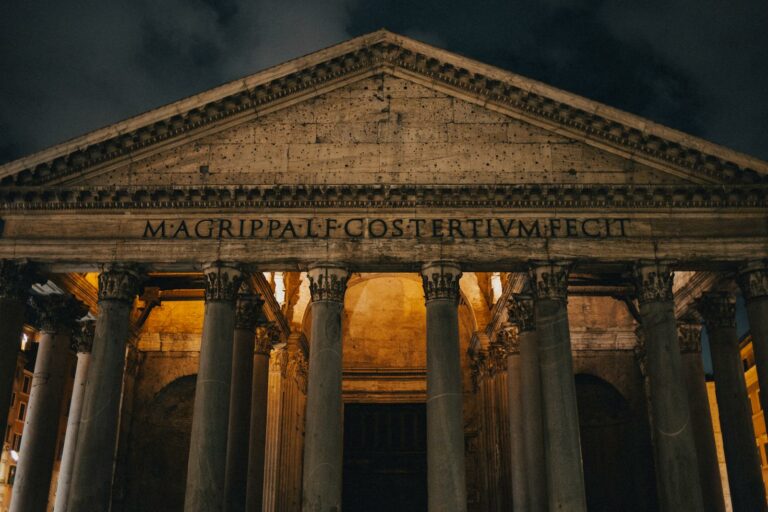
Rome by Night
Experience Rome's magic after dark on a golf cart tour. Admire illuminated monuments and city…
Discover More →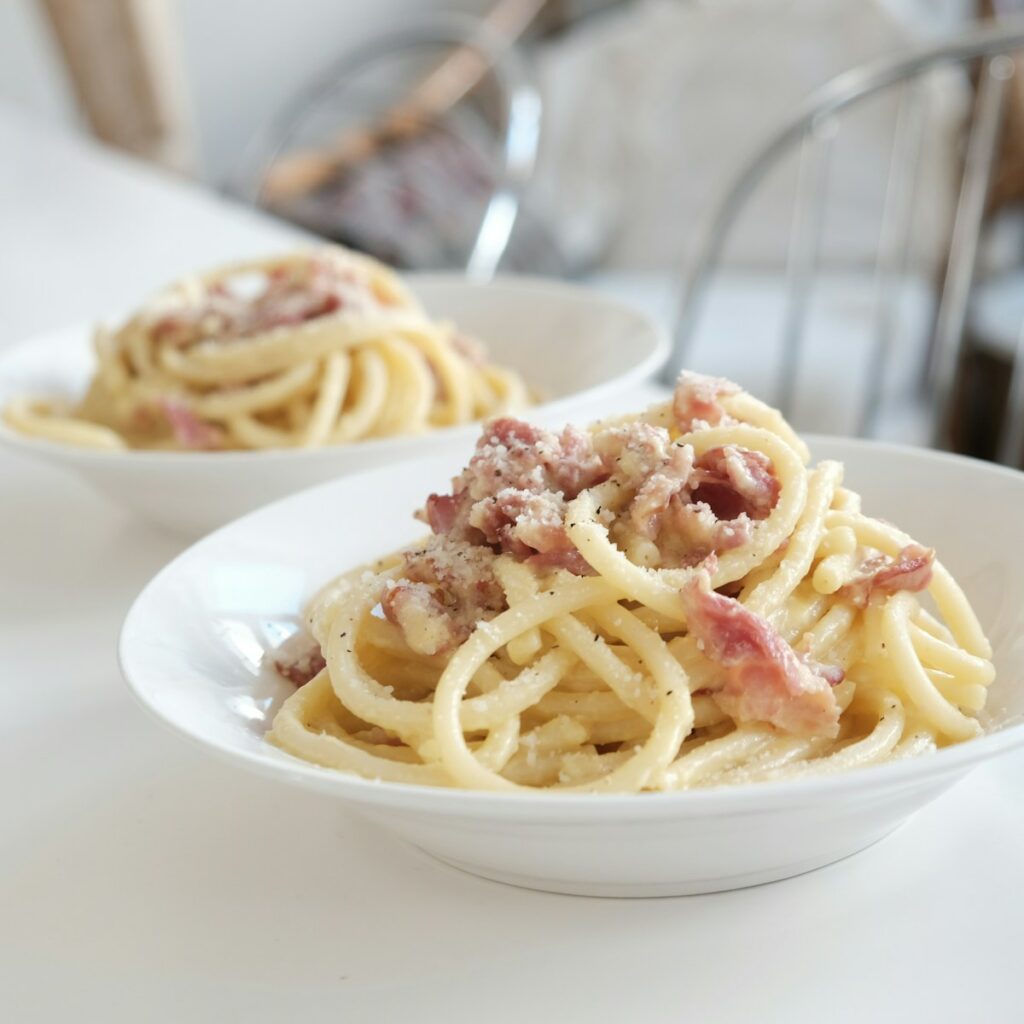
Roman Cuisine: A Winter Journey Through Tradition Roman cuisine is deceptively simple - few ingredients, ancient techniques, bold flavors. Winter showcases this culinary tradition at its finest, when hearty dishes warm body and soul, and restaurants cook for locals rather than tourists. Roman food is honest - no tricks, no fusion, just centuries of knowing…...
Roman cuisine is deceptively simple – few ingredients, ancient techniques, bold flavors. Winter showcases this culinary tradition at its finest, when hearty dishes warm body and soul, and restaurants cook for locals rather than tourists.
Roman food is honest – no tricks, no fusion, just centuries of knowing what works.
Four pasta dishes define Roman cuisine. Every trattoria serves them, but quality varies dramatically. Understanding what makes them authentic helps identify places worth your time.
Cacio e Pepe: Just pecorino romano cheese and black pepper tossed with pasta (traditionally tonnarelli). Simplicity demands perfection – the cheese must emulsify into creamy sauce, never clumping. When done right, it’s transcendent.
Carbonara: Guanciale (cured pork jowl), egg yolks, pecorino, black pepper. No cream, ever. The eggs create sauce through pasta heat, coating each strand. Purists use rigatoni; many prefer spaghetti. Both work if technique is sound.
Amatriciana: Guanciale, tomato, pecorino, chili. Named for Amatrice town in Lazio mountains. The guanciale must crisp, rendering fat that becomes sauce base. Fresh tomatoes in summer, canned in winter.
Gricia: Amatriciana without tomato – guanciale, pecorino, black pepper. Often called “white amatriciana,” it predates the tomato’s arrival in Italy. Pure, porky, perfect.
Roman cuisine evolved from poverty and waste-not traditions. The “fifth quarter” – offal and less desirable cuts – became central to Roman cooking. These dishes remain authentic Roman cuisine even as the city gentrifies.
These dishes require adventurous palates but reward openness. They’re delicious when prepared properly, revealing why Romans never abandoned them despite prosperity.
Roman vegetable dishes showcase seasonal ingredients at their peak. Winter brings two stars: artichokes and puntarelle.
Carciofi alla giudia: Jewish-style artichokes, deep-fried until crispy as potato chips. The whole artichoke becomes edible, leaves to heart. A Rome revelation.
Carciofi alla romana: Artichokes braised with garlic, mint, olive oil. Tender, aromatic, perfect with meat dishes.
Puntarelle: Chicory shoots served raw with anchovy-garlic-lemon dressing. Bitter, crunchy, addictive. Romans eat it by the bowlful.
Rome harbors countless tourist traps alongside genuinely excellent restaurants. Learning to distinguish them transforms your experience.
Red flags: Menus in multiple languages with photos, touts on the street, locations immediately adjacent to major sights, generic “Italian” rather than Roman dishes.
Good signs: Menu in Italian (maybe English translation), locals dining, handwritten daily specials, focus on Roman classics, neighborhood location.
Roman pizza differs from Neapolitan. The crust is thinner, crispier, sometimes called “scrocchiarella” for its crunch. Toppings lean simple – quality over quantity.
Pizza al taglio (by the slice) is Rome’s fast food. Shops display rectangular pizzas with various toppings, cutting portions by weight. Point to what appeals, specify size, eat standing or walking. Trapizzino evolved this further – pizza dough pockets stuffed with traditional Roman preparations.
Romans take coffee seriously. The morning ritual: stop at a bar, order caffe (espresso) and cornetto (Italian croissant), consume standing at the counter, pay, leave. The whole transaction takes five minutes.
Sitting dramatically increases prices – sometimes double or triple. This isn’t a scam but European cafe tradition. Standing is local; sitting is luxury. Both are fine if you understand the economics.
After 11 AM, cappuccino becomes faux pas. Romans drink it only with breakfast. Afternoon and evening mean espresso, maybe macchiato. Again, not a rule you must follow, but locals notice when you don’t.
Testaccio, Rome’s former slaughterhouse district, remains its food heart. The neighborhood preserves authentic Roman food culture while welcoming quality newcomers.
The Testaccio Market (Nuovo Mercato Testaccio) combines fresh food stalls with casual eating spots. Shop for vegetables, cheese, meat in the morning, then eat lunch at market food stalls serving traditional dishes from quality ingredients sold steps away.
Food reveals culture directly. Our culinary experiences go beyond eating to understanding what Roman cuisine means and why it endures.
Your curated Roman food experience includes:
Roman cuisine is honest, traditional, and deeply satisfying – eat like a Roman.
Book your Roman food journey – because taste tells truth about culture.
Experience Rome's magic after dark on a golf cart tour. Admire illuminated monuments and city…
Discover More →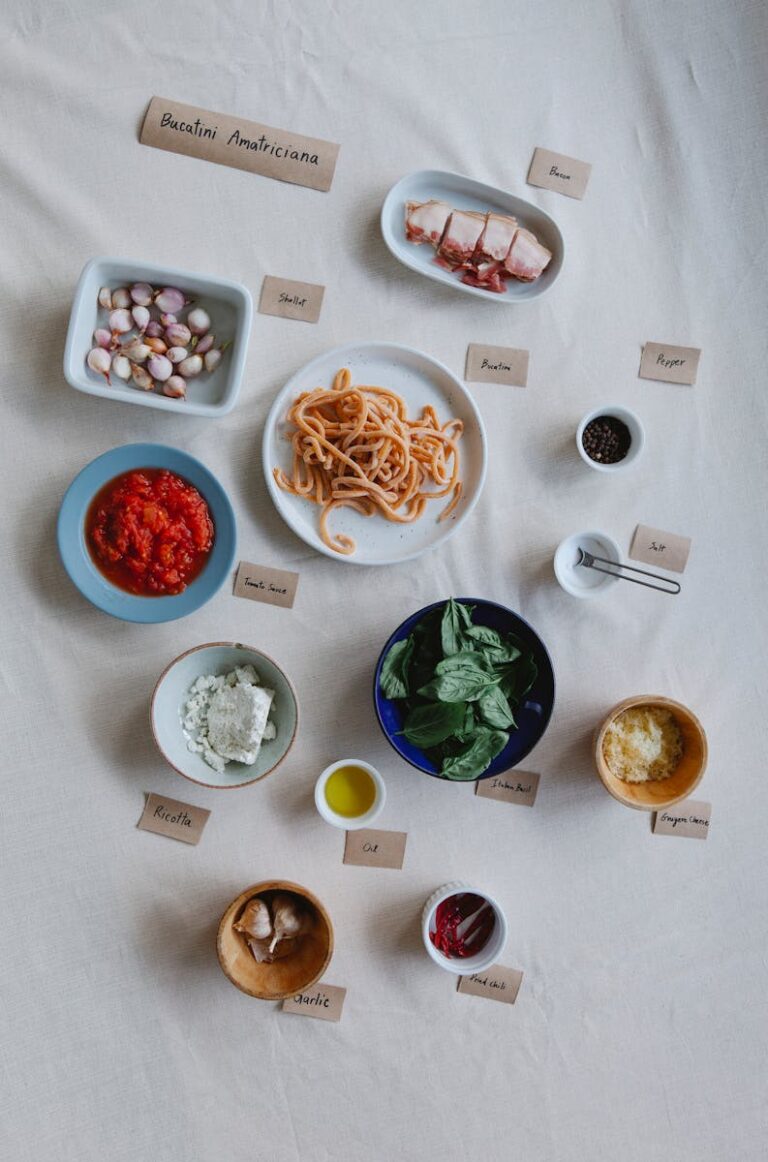
A culinary experience is the best way to immerse in the flavors and traditions of…
Discover More →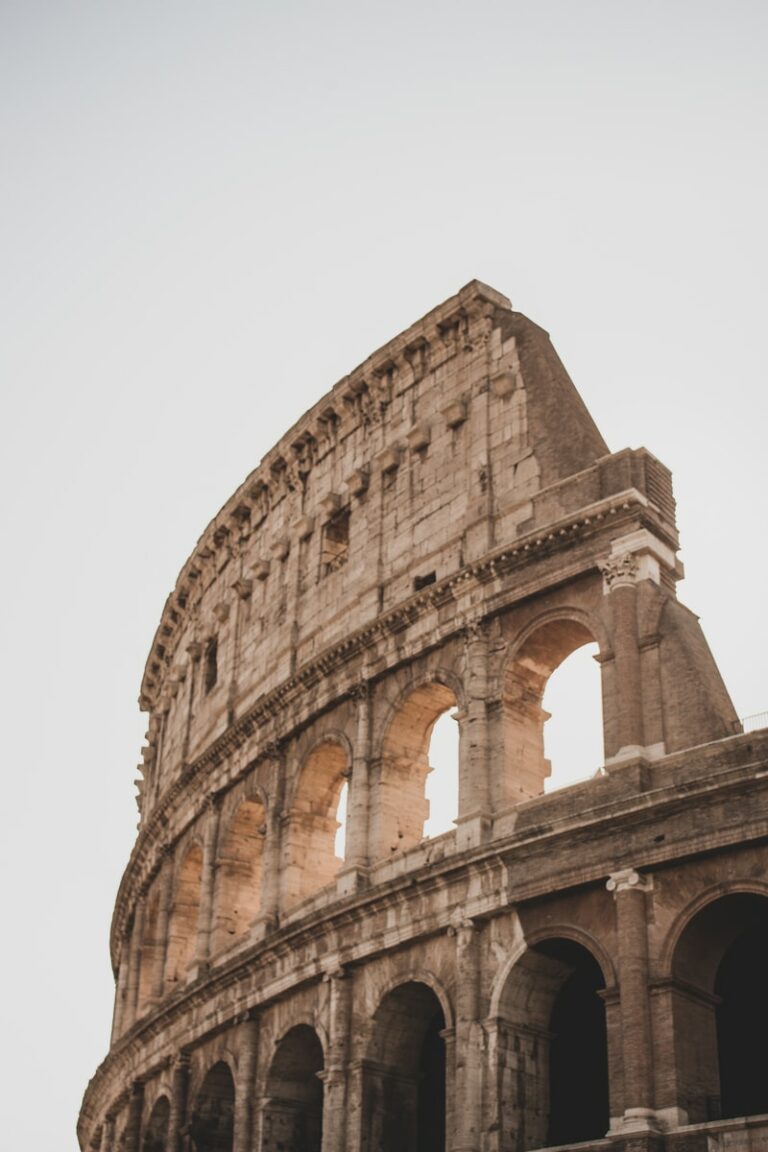
Immersive walking tour through Rome's iconic landmarks with expert guide. Discover the Colosseum, Pantheon, Trevi…
Discover More →
Discover Rome's hidden parks and gardens on an e-bike tour. Explore Villa Torlonia and secret…
Discover More →