
Turin City Tour – 2 Hours
Discover the timeless elegance of Turin on a guided walk through the city's most iconic…
Discover More →
Discover Piedmont in spring: Barolo vineyard tours, spring truffle hunting in Alba, Turin's historic cafes and Sacri Monti UNESCO sites. Your luxury travel guide....
As the last veils of snow retreat from the Alpine peaks, Piedmont stirs into one of Italy’s most graceful seasonal transformations. The vineyards of the Langhe unfurl their first tender leaves, hazelnut groves blush green across rolling hillsides, and the air carries the mingled scents of damp earth and early blossom. This is Piedmont in spring — unhurried, luminous, and profoundly elegant.
Unlike Tuscany’s well-trodden paths or the Amalfi Coast‘s summer spectacle, Piedmont rewards the discerning traveller who arrives before the crowds. Spring here is a contemplative season: the winemakers are tending their Nebbiolo vines rather than pouring for busloads, the truffle hunters walk quiet woodlands with their keen-nosed dogs, and Turin‘s magnificent baroque cafes serve their legendary bicerin without a queue. It is a landscape designed for slow, private discovery.
From the UNESCO-listed vineyard terraces of Barolo to the frescoed chapels of the Sacri Monti, from three-Michelin-star dining in Alba to the gilded salons of Savoy-era coffeehouses, this corner of northwest Italy offers a concentration of luxury, culture and gastronomy that rivals anywhere on the peninsula. Here is how to experience the very best of Piedmont in spring.
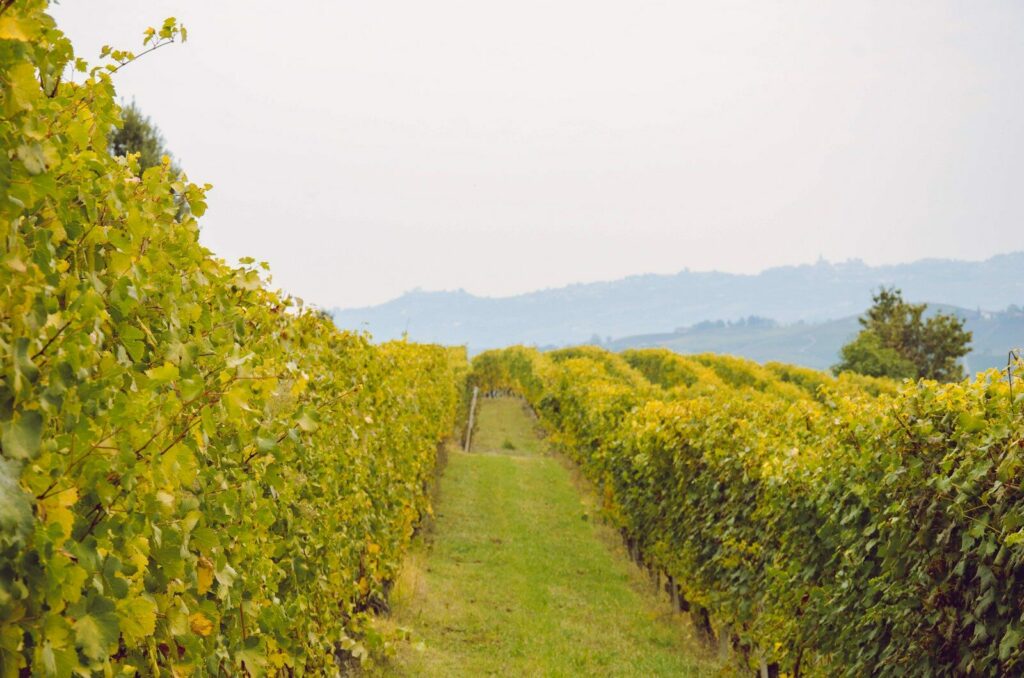
Autumn in the Langhe is harvest time — exhilarating, crowded, and expensive. Spring, by contrast, is the season the winemakers keep for themselves. The vines are pruned and budding, the cellar doors are open but unhurried, and the light across the hills has a soft, painterly quality that makes every bend in the road feel like a private revelation. For the luxury traveller, this is precisely the point: spring in the Langhe wine region delivers the same world-class wines without the world-class queues.
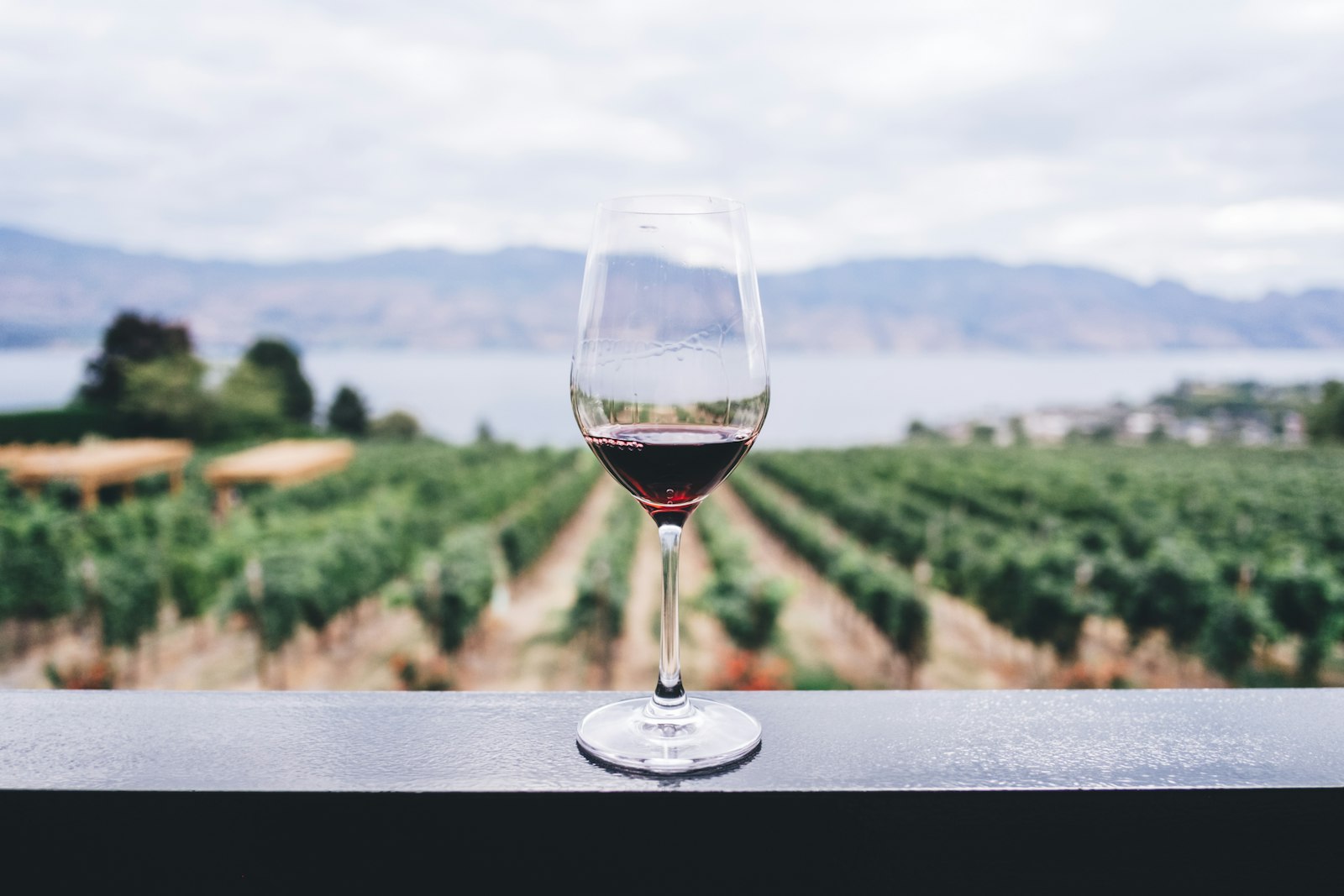
The Strada del Barolo threads through eleven communes — Barolo, La Morra, Castiglione Falletto, Serralunga d’Alba, Monforte d’Alba and beyond — each producing Nebbiolo wines of distinct character. In spring, the small family-run estates that craft the most sought-after bottles are far more willing to receive visitors for private tastings. Estates such as Giacomo Conterno, Bartolo Mascarello and Braida may open their doors by appointment, offering the kind of intimate, unhurried cellar experience that autumn simply cannot match. Book well in advance — these are not walk-in affairs.
Do not overlook Barbaresco, Barolo’s neighbouring denomination. Slightly lighter and more approachable, Barbaresco wines have their own devoted following, and the hilltop village itself — crowned by a medieval tower — offers sweeping views over the Tanaro river valley. The Barolo wine tasting experience in spring is not merely about what is in the glass; it is about understanding the landscape that produced it, seen at its most serene.
Most people associate Alba with the legendary white truffle of autumn, when prices soar and the annual Fiera del Tartufo draws crowds from around the world. What few visitors realise is that Piedmont’s truffle calendar runs year-round — and spring offers its own prized varieties without the frenzy.
From January through April, the Tuber borchii — the spring white truffle, or bianchetto — emerges from the clay-rich soils of the Langhe and Roero. Smaller and more delicate than its autumn cousin, the bianchetto carries a subtle garlicky fragrance that works beautifully shaved over fresh egg pasta or risotto. From May onward, the Tuber aestivum — the prized spring black truffle, or scorzone — takes its turn, with an earthy, nutty character that pairs superbly with Piedmontese butter and cheese.
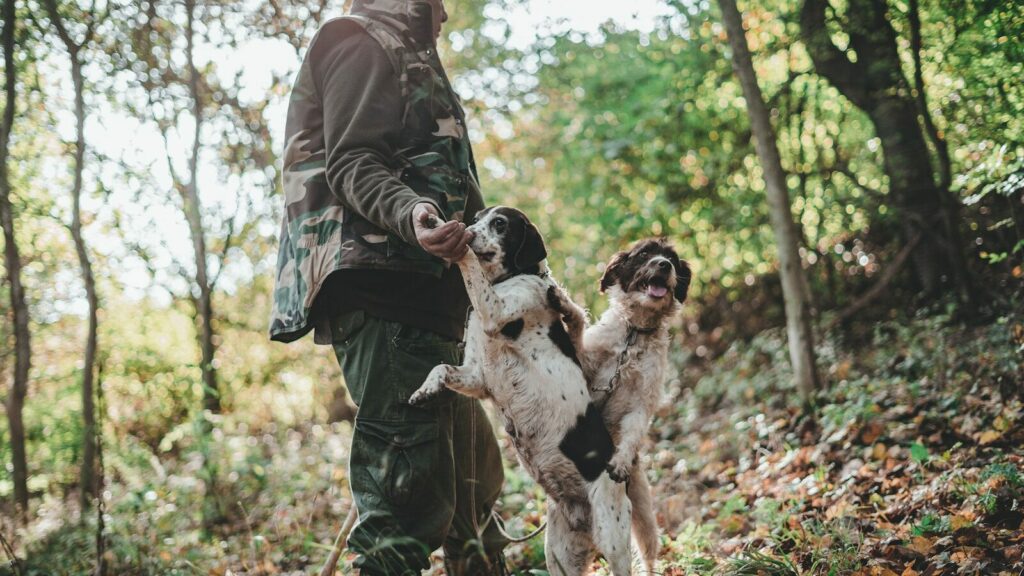
The experience of spring truffle hunting in Alba is deeply atmospheric. You walk with a trifolao — a local truffle hunter, often from a family that has practised the art for generations — and his trained dog (the Lagotto Romagnolo breed is the traditional choice) through dappled oak and hazelnut woodlands. The dog works the undergrowth with quiet intensity; when it pauses and begins to dig, you know something extraordinary lies beneath the soil. Operators such as Truffle Hunting Experience arrange private outings followed by a truffle-centred lunch at a local estate. It is one of Piedmont’s most memorable encounters with the land.
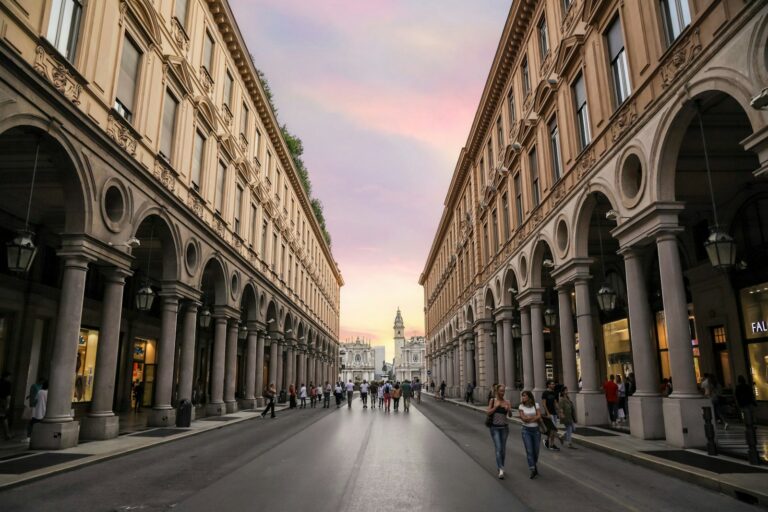
Turin is one of Europe’s most underrated great cities — a place of wide boulevards, Savoy palaces, world-class museums and a cafe culture that predates Paris. In spring, the city sheds its winter grey and the arcaded streets fill with soft light, making it the ideal moment to explore on foot.
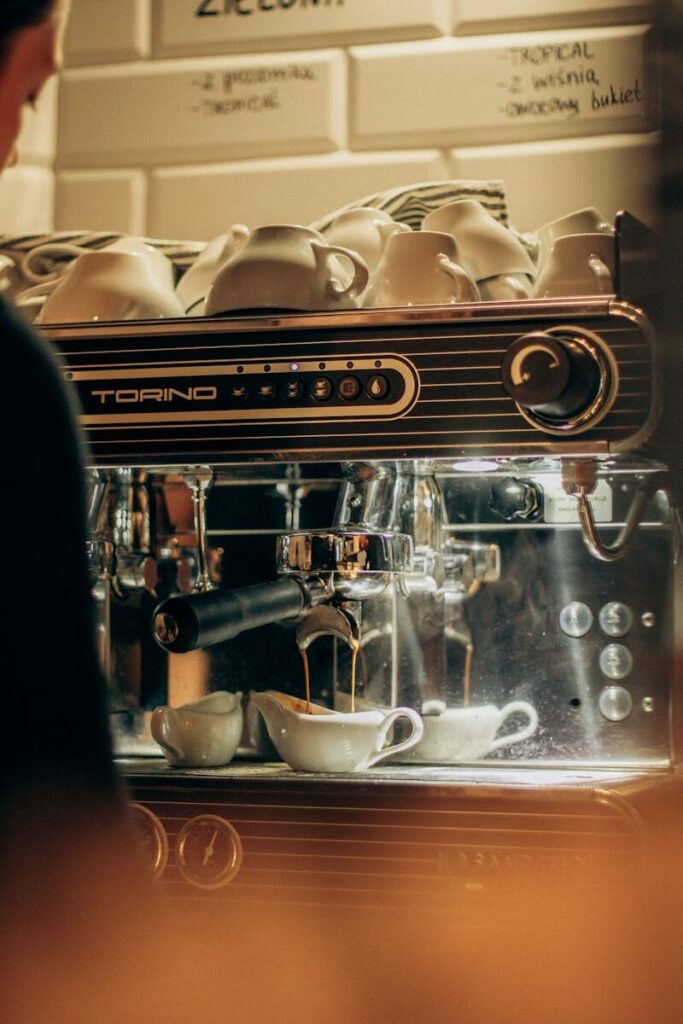
Begin at Caffe al Bicerin, a tiny jewel of a coffeehouse that has occupied the same corner in Piazza della Consolata since 1763. It serves only one drink — the bicerin, a layered preparation of espresso, drinking chocolate and cream that Cavour, Nietzsche and Puccini all adored. Across the city, the grand Caffe San Carlo occupies a palatial space beneath gilded ceilings in the piazza of the same name, offering the kind of old-world elegance that makes you want to linger for hours.
The Merenda Reale — the Royal Afternoon Tea — is Turin’s answer to English high tea, rooted in the Savoy court tradition. This elaborate ritual of hot chocolate, pastries, biscuits and baci di dama (lady’s kisses, a hazelnut biscuit) is served at select historic cafes, including Baratti & Milano in the Galleria Subalpina. It is an essential Turin experience.
Beyond the cafes, Turin rewards the culturally curious. The Museo Egizio holds the most important collection of Egyptian antiquities outside Cairo. The Mole Antonelliana, Turin’s extraordinary towering landmark, houses the National Cinema Museum and offers panoramic views from its glass elevator. And the city’s baroque architecture — the work of Guarini and Juvarra — is among the finest in Italy. Turin is not merely a gateway to the Piedmontese countryside; it is a destination in its own right, and in spring it is at its most inviting.
Among Piedmont’s least-known treasures are the Sacri Monti — seven sacred mountain complexes inscribed as a UNESCO World Heritage Site since 2003. Scattered across the foothills of the Alps, these devotional paths wind through forests and gardens to chapels containing life-size polychrome terracotta statues and frescoes of astonishing artistry and emotional power.
The oldest and most impressive is the Sacro Monte di Varallo, founded in 1486 by a Franciscan friar who wished to recreate the holy sites of Jerusalem for pilgrims unable to travel to the Holy Land. Its 45 chapels, set on a wooded hillside above the town of Varallo in the Valsesia, contain over 800 painted statues arranged in theatrical scenes of extraordinary realism. Walking through them is an experience closer to immersive art installation than conventional church visit.
Spring is unquestionably the finest season to visit the Sacri Monti. The paths are bordered by wildflowers, the air is mild but not yet hot, and the panoramic views from the hilltop sanctuaries — over lakes, valleys and distant Alpine snow — are at their most dramatic. Several of the sites, including Varallo, Sacro Monte di Orta on Lake Orta and Sacro Monte della SS. Trinita di Ghiffa above Lake Maggiore, make excellent day trips from Turin, each combining art, nature and spiritual atmosphere in a way that is wholly unique to this region.
Piedmont’s luxury hospitality has matured remarkably in recent years, with a handful of properties that match the region’s wines and cuisine in quality and character.
Relais San Maurizio, set in a former seventeenth-century monastery above Santo Stefano Belbo, is the benchmark. Its spa is carved from the monastery’s ancient salt mines, its restaurant sources from the surrounding hills, and its views over the Langhe are magnificent. Castello di Guarene, a restored Baroque castle in the Roero, offers palatial suites, terraced gardens and a Michelin-starred dining room. For a more contemporary expression of Langhe luxury, Casa di Langa channels the landscape through clean modern design, an outstanding wine programme and a wellness centre rooted in local botanical traditions.
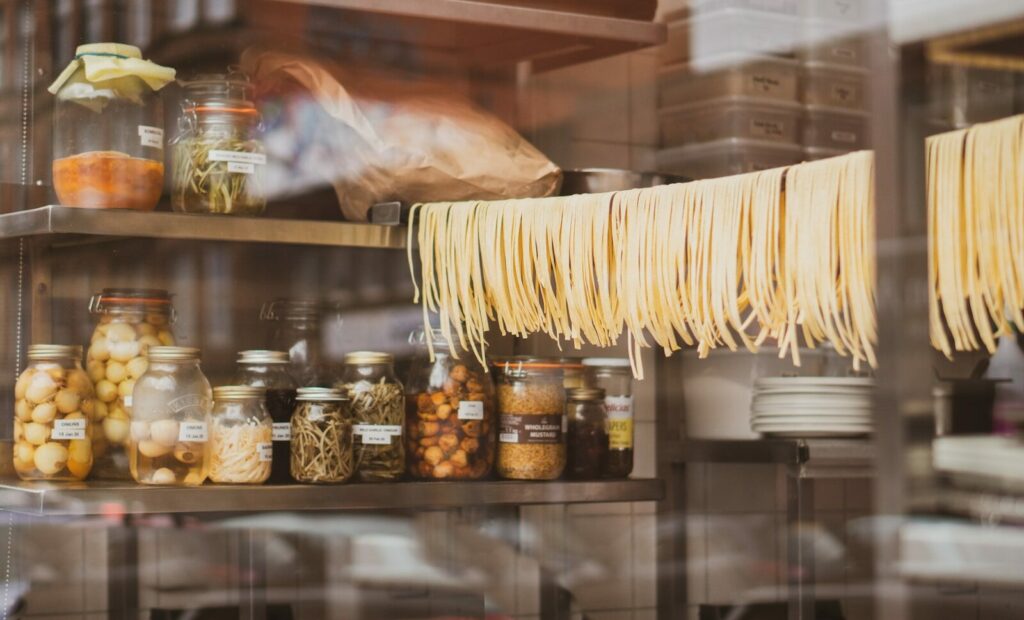
At the table, Piedmont in spring is exceptional. Piazza Duomo in Alba, the three-Michelin-star restaurant of chef Enrico Crippa, is one of Italy’s finest dining experiences — a place where local ingredients are transformed with Japanese precision and an artist’s eye for colour. Spring menus here celebrate the season’s first asparagus from Santena, wild herbs from the hills and the delicate spring truffles that define the moment. For something more intimate, Osteria dell’Arco in Alba serves impeccable Piedmontese classics — hand-pinched agnolotti del plin, vitello tonnato, tajarin with butter and sage — in a warm, convivial setting that embodies the region’s generous spirit.
Throughout the Langhe, spring menus spotlight ingredients at their peak: white asparagus from the sandy banks of the Po, the first tender artichokes, agnolotti del plin dressed in butter from Alpine pastures, and the ever-present Piedmontese hazelnut — the Tonda Gentile — which appears in everything from pasta sauces to the legendary torta di nocciole.
Piedmont is not a region that reveals itself to the casual visitor. Its greatest pleasures — the private cellar tasting at a family estate, the truffle hunt in a silent woodland, the perfect bicerin at a marble table that has not changed since the eighteenth century — require time, knowledge and the right introductions. Spring is the season that makes all of this possible, before the summer heat and autumn crowds arrive.
A well-planned itinerary of five to seven days allows for two or three nights in the Langhe — tasting, walking, dining — combined with a night or two in Turin for its museums, cafes and architecture, and a day trip to one of the Sacri Monti for an encounter with Piedmont’s spiritual and artistic heritage. Private drivers, knowledgeable local guides and advance reservations at the region’s best addresses transform a holiday into something genuinely exceptional.
This is luxury travel at its most refined: not showy, not loud, but deeply, quietly perfect. Piedmont in spring is Italy for those who already know Italy — and wish to discover what they have been missing.
Is spring a good time to visit the Langhe wine region?
Spring is one of the best times to visit the Langhe. The vineyards are budding, the weather is mild and pleasant, and the wineries are far less crowded than during the autumn harvest season. You will find it much easier to arrange private tastings at prestigious estates, and hotel rates are typically lower than in October and November.
Can you go truffle hunting in Piedmont in spring?
Yes. While autumn’s white truffle receives more attention, Piedmont produces excellent truffles year-round. The spring white truffle (Tuber borchii) is available from January through April, and the spring black truffle (Tuber aestivum) from May through August. Several operators near Alba offer private truffle hunting experiences with trained dogs, followed by truffle-based meals.
What are the best Barolo wineries to visit in spring?
Many of the finest Barolo producers are small, family-run estates that welcome visitors by appointment. In spring, availability is generally better than in autumn. Notable names include Giacomo Conterno, Bartolo Mascarello, G.D. Vajra, Vietti and Aldo Conterno, though personal recommendations from your hotel or a local guide often yield the most memorable visits.
What is the Merenda Reale in Turin’s historic cafes?
The Merenda Reale, or Royal Afternoon Tea, is a Turinese tradition rooted in the Savoy court. It typically includes hot chocolate, assorted pastries, biscuits such as baci di dama (hazelnut cookies), and sometimes savoury bites. It is served at historic cafes including Baratti & Milano and Caffe San Carlo, and represents one of Turin’s most distinctive culinary rituals.
How many days do you need for a luxury trip to Piedmont?
A minimum of five days is recommended to experience Piedmont properly, though seven days allows a more relaxed pace. A good itinerary includes two to three nights in the Langhe for wine and truffle experiences, one to two nights in Turin for culture and gastronomy, and a day trip to a Sacro Monte or Lake Orta.
What are the Sacri Monti and are they worth visiting in spring?
The Sacri Monti are seven hilltop devotional complexes in Piedmont, inscribed as a UNESCO World Heritage Site. They feature winding paths through forests leading to chapels with life-size painted terracotta statues. Spring is the ideal season to visit — the weather is mild, wildflowers line the paths, and the panoramic views are spectacular. The Sacro Monte di Varallo, with 45 chapels, is the most impressive.
Where to stay in the Langhe for a luxury wine trip?
The three standout properties are Relais San Maurizio, a converted monastery with a spa in ancient salt mines; Castello di Guarene, a Baroque castle hotel with Michelin-starred dining; and Casa di Langa, a contemporary design hotel with an exceptional wine programme. All three are centrally located for exploring the Barolo and Barbaresco wine zones.
Discover the timeless elegance of Turin on a guided walk through the city's most iconic…
Discover More →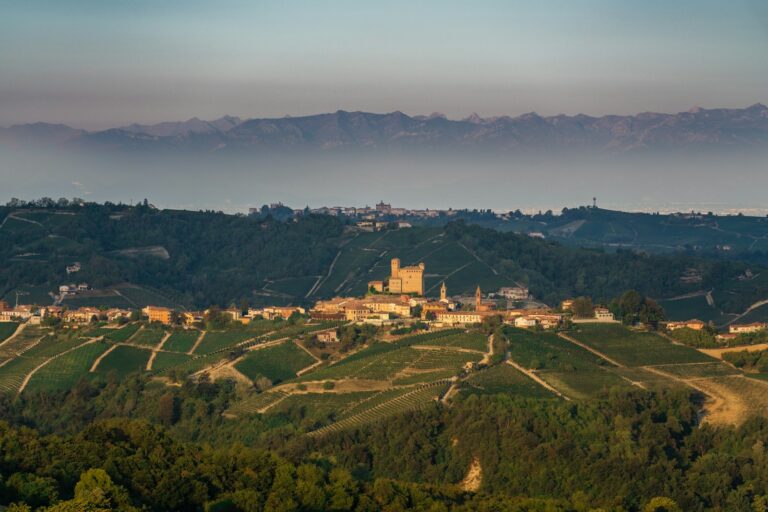
Step into the enchanting Langhe, where rolling hills, historic villages, and world-renowned wines create an…
Discover More →
A journey for the senses, where flavor, culture, and history meet in perfect harmony.
Discover More →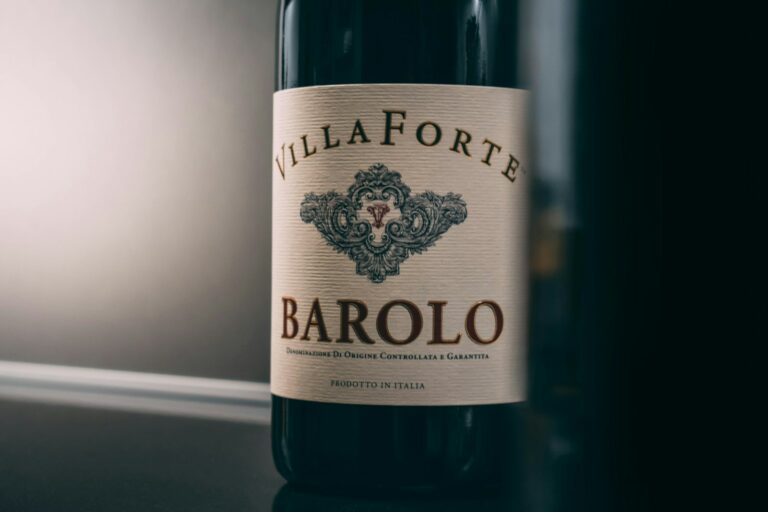
Discover the soul of the Langhe through its two greatest treasures: legendary Barolo wine and…
Discover More →