
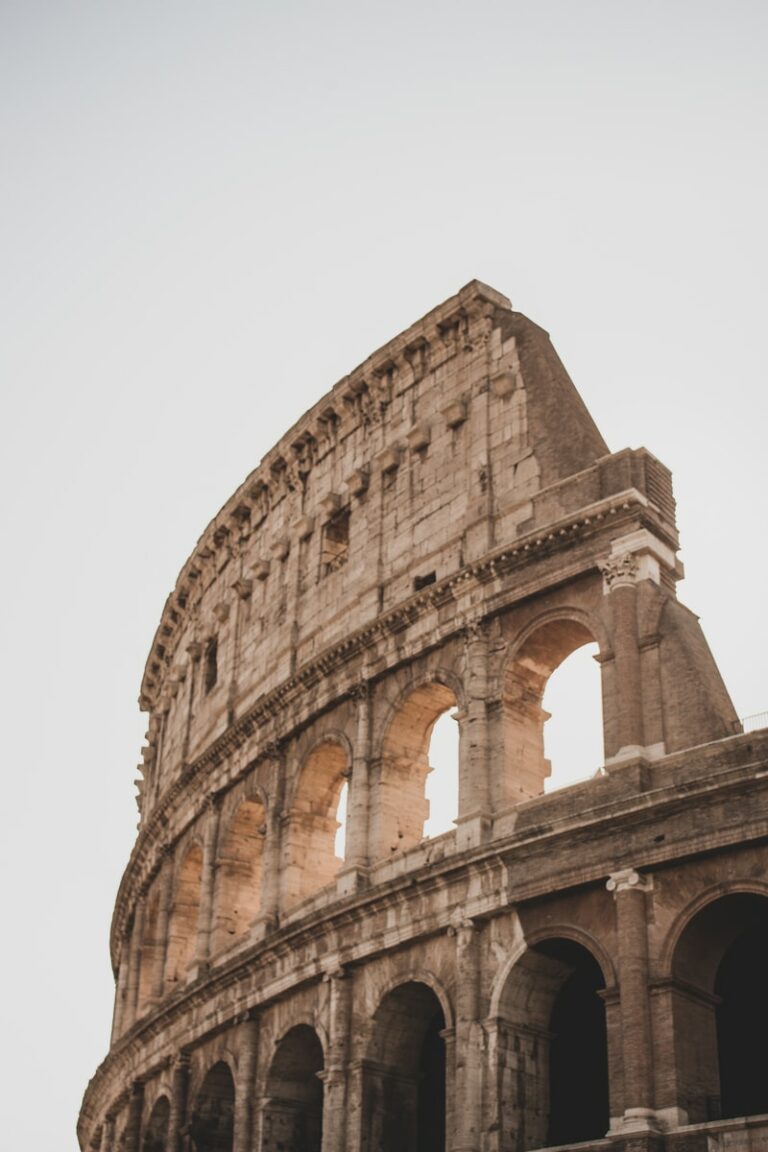
The Heart of Rome
Immersive walking tour through Rome's iconic landmarks with expert guide. Discover the Colosseum, Pantheon, Trevi…
Discover More →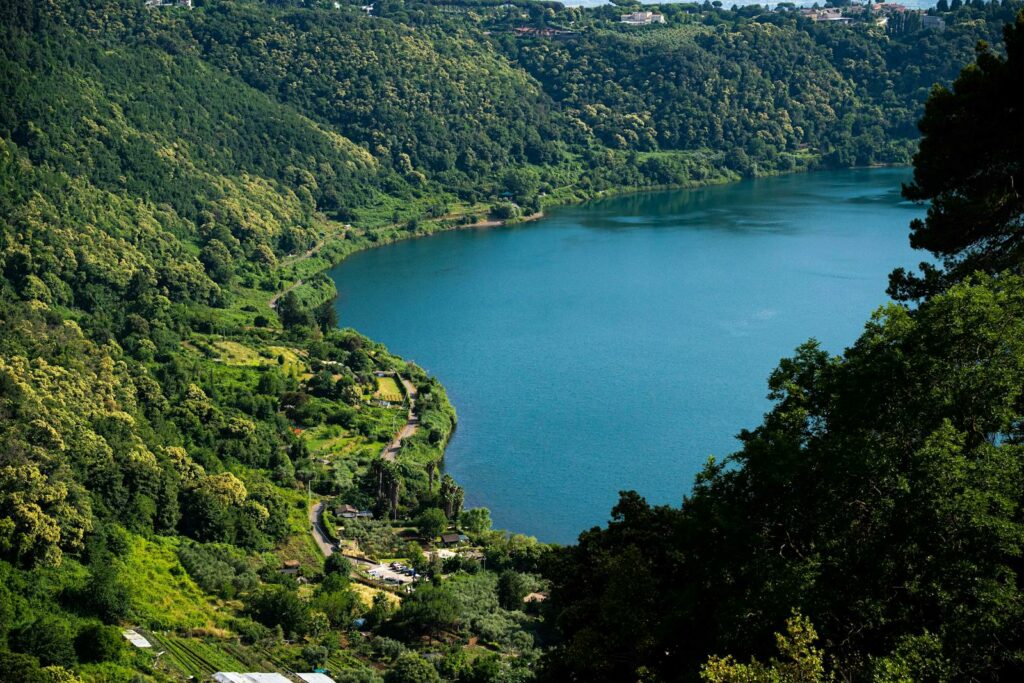
Day Trips from Rome: Countryside and Coast in Winter Rome's location provides gateway access to Lazio's hills, ancient sites, coastal towns, and medieval villages. Winter day trips offer crowd-free exploration and authentic experiences impossible during high season. Beyond Rome lie layers of Italian history and landscapes - winter opens them all. 1. Tivoli: Villas and…...
Rome’s location provides gateway access to Lazio’s hills, ancient sites, coastal towns, and medieval villages. Winter day trips offer crowd-free exploration and authentic experiences impossible during high season.
Beyond Rome lie layers of Italian history and landscapes – winter opens them all.
Tivoli, 30 kilometers east of Rome, hosts two UNESCO World Heritage sites: Villa d’Este and Hadrian’s Villa. Each deserves half a day, making Tivoli perfect for full-day excursion.
Villa d’Este: Renaissance villa famous for elaborate gardens and fountains. Water features cascade down the hillside in baroque exuberance. Winter means fewer crowds and active fountains (some close for maintenance, but most operate year-round). The gardens’ formal structure reveals itself more clearly without summer foliage density.
Hadrian’s Villa (Villa Adriana): Emperor Hadrian’s 2nd-century retreat covers 120 hectares. The ruins sprawl across parkland, revealing imperial ambition and architectural innovation. Winter visits offer solitude matching the site’s contemplative character. Bring comfortable shoes – there’s extensive walking.
Ostia Antica rivals Pompeii for preservation while receiving fraction of the crowds. Rome’s ancient port city offers remarkably intact ruins: apartment buildings, taverns, theaters, baths, temples. You can walk ancient streets, enter ancient buildings, imagine daily Roman life.
Winter visits are nearly private. The site sprawls enough that even with visitors, you’ll have sections to yourself. The proximity to Rome (30 minutes by train) makes it ideal for shorter day trips or half-day excursions combined with modern Ostia’s seafood lunch.
Ostia Antica shows daily Roman life better than the Forum – and you’ll have it mostly to yourself.
Orvieto perches atop a volcanic plateau in Umbria, an hour north of Rome by train. The medieval town centers on an extraordinary Gothic cathedral with Luca Signorelli’s Last Judgment frescoes rivaling Michelangelo’s Sistine Chapel.
Beyond the Duomo, Orvieto offers medieval streets, Etruscan tunnels beneath the city, and white wine (Orvieto Classico) produced from surrounding vineyards. Winter means comfortable exploration without summer heat or crowds. The funicular from the station climbs the cliff face – worth the ride for views alone.
Civita di Bagnoregio, called “the dying city,” sits isolated on an eroding pinnacle accessed only by a pedestrian bridge. The medieval village has 11 permanent residents and surreal beauty. Erosion threatens the town’s existence, making each visit potentially one of the last.
The drama of arrival – walking the bridge to a car-free village seemingly floating in air – creates unforgettable experiences. Winter visits offer atmospheric fog, dramatic lighting, and near-solitude. The village is tiny (explored in an hour), but the experience lingers far longer.
The Castelli Romani (Roman Castles) refer to towns in the Alban Hills southeast of Rome. These hillside communities have served as summer retreats since ancient times, offering cool breezes, volcanic lakes, and local wine.
Castel Gandolfo: Papal summer residence overlooks Lake Albano. The palace and gardens open to visitors. The town offers restaurants with lake views and excellent porchetta.
Frascati: Famous for white wine. Visit cantinas, taste Frascati DOC wines, explore Villa Aldobrandini’s gardens.
Nemi: Tiny town above Lago di Nemi, famous for wild strawberries. Winter brings quietude; spring brings strawberry festivals.
Viterbo, an hour north of Rome, served as papal seat in the 13th century. The medieval quarter (San Pellegrino) preserves authentic medieval character – stone towers, narrow alleys, external staircases. The Papal Palace hosted the longest papal conclave in history (33 months).
Viterbo’s thermal baths (Terme dei Papi) offer hot spring pools – particularly appealing on winter days. The town combines history, authentic atmosphere, and thermal relaxation in one day trip.
Lazio’s coast offers winter escape when Rome feels too urban. Sperlonga, a white-washed village cascading toward beaches, preserves seaside charm without summer crowds. The Archaeological Museum houses sculptures from Tiberius’ seaside grotto.
Gaeta, a larger coastal town, combines medieval architecture, seafood restaurants, and Monte Orlando park. Winter brings stormy seas and dramatic light – less swimming weather, better atmosphere. The local specialty, Gaeta olives, appears on restaurant tables everywhere.
We arrange day trips that maximize experiences while minimizing logistics stress. Our approach emphasizes depth over checklist tourism – better to explore one destination properly than rush through three.
Your curated Rome day trip experience includes:
Recommended Day Trip Planning:
Beyond Rome lie treasures most visitors never see – winter makes them accessible.
Book your Rome day trip discovery – because Italy reveals itself layer by layer.
Immersive walking tour through Rome's iconic landmarks with expert guide. Discover the Colosseum, Pantheon, Trevi…
Discover More →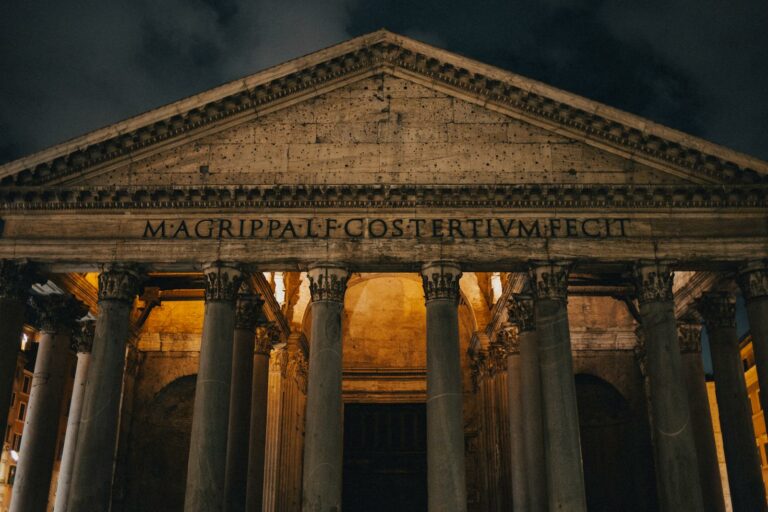
Experience Rome's magic after dark on a golf cart tour. Admire illuminated monuments and city…
Discover More →
Discover Rome's hidden parks and gardens on an e-bike tour. Explore Villa Torlonia and secret…
Discover More →
A culinary experience is the best way to immerse in the flavors and traditions of…
Discover More →