
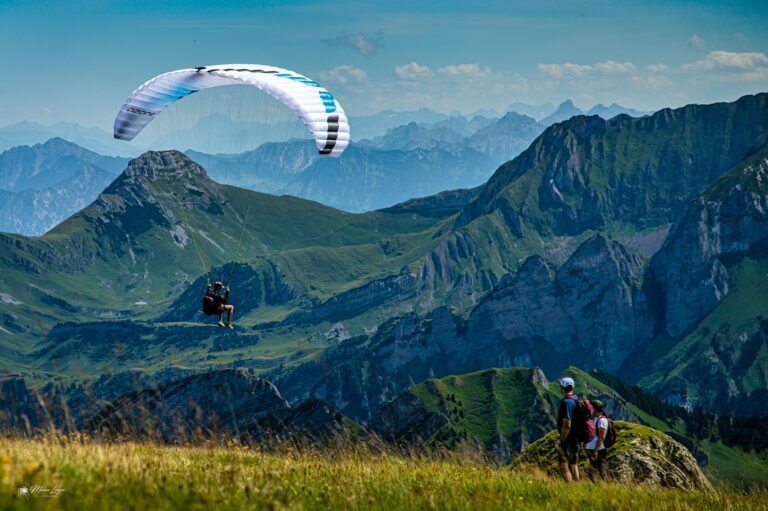
Tandem Paragliding in the Dolomites – Let the Wind Guide You
Experience the magic of free flight and let yourself be carried by the wind above…
Discover More →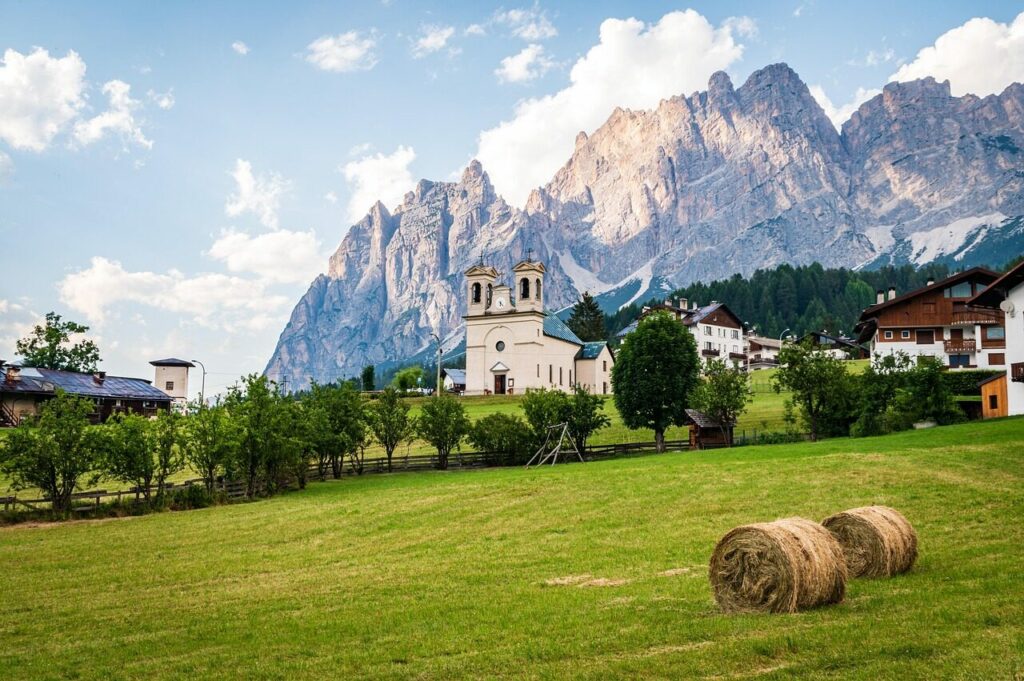
Discover Cortina d'Ampezzo in spring: luxury hotels, Michelin dining, Dolomite hiking at Cinque Torri, Lago di Braies, and boutique shopping on Corso Italia....
There is a moment in late March — perhaps early April — when Cortina d’Ampezzo reveals its most seductive self. The winter crowds have thinned, the last lifts still hum with promise, and the Dolomites stand in sharp, crystalline relief against skies so blue they feel almost unreal. Snow still clings to the north-facing peaks, but down in the valley, something is stirring. The first crocuses push through the melting snow above Pocol, and the air carries that unmistakable Alpine scent: cold pine, damp earth, and the faintest hint of something blooming.
This is spring in the Queen of the Dolomites — a season most visitors overlook entirely, and insiders guard jealously. While summer hikers and winter skiers crowd the calendar’s extremes, spring offers something rarer: solitude, drama, and the exhilarating sense of a landscape in transformation. The town itself — freshly burnished by the 2026 Milan-Cortina Winter Olympics, with upgraded infrastructure and renewed civic pride — feels alive with quiet confidence.
Spring skiing in Cortina is one of the great unsung pleasures of the Alpine calendar. The Dolomiti Superski network keeps Cortina’s lifts running well into late April, with the 2025/26 season closing around the first week of May. The snow is softer, the light warmer, and the terraces at altitude finally inviting enough for a lingering lunch.
The three main ski areas — Tofana–Ra Valles, Faloria–Cristallo, and Lagazuoi–5 Torri — offer dramatically different terrain, from Olympic-grade descents on the Olympia delle Tofane to the panoramic cruising around Cinque Torri. Morning grooming holds beautifully until around 11am, after which the snow turns to forgiving corn — perfect for wide, carving turns without the ice-hard bite of midwinter. The Dolomiti Springdays promotion, running from mid-March through season’s end, brings discounted lift passes — a savvy way to experience the mountain at a fraction of peak prices.
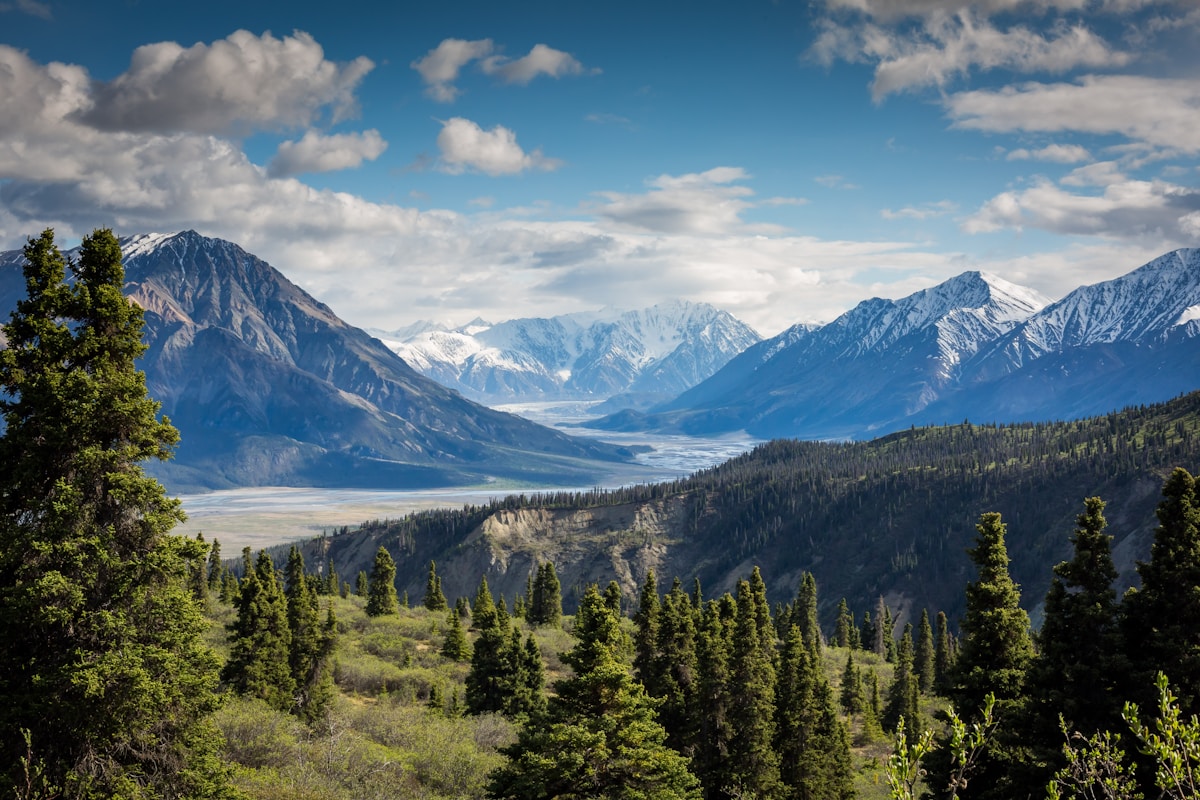
As the snow retreats, Cortina’s hiking trails begin their annual awakening. By late May, the lower paths are clear; by June the high passes and rifugi open their doors. The sweet spot — fewer crowds, snow-capped backdrops, blooming meadows — falls in May and early June.
The Cinque Torri circuit is the iconic starting point. These five soaring rock towers are reachable by chairlift or on foot from Bai de Dones. The loop trail takes roughly two and a half hours and weaves through open-air World War I trenches that add a haunting historical dimension. At the top, Rifugio Nuvolau — the oldest mountain hut in the Dolomites, perched at 2,575 metres since 1883 — offers a panorama stretching from the Marmolada glacier to the Antelao. It typically opens in mid-June.
For wildflower enthusiasts, the meadows around Passo Giau (2,236m) are extraordinary. Gentians, Alpine asters, and soldanella carpet the high pastures, and the thirty-minute drive from Cortina through larch forests is a spectacle in itself. From the pass, trails lead to Rifugio Averau and onward to the Croda da Lago circuit, where Lago Federa lies perfectly still, reflecting the surrounding peaks.
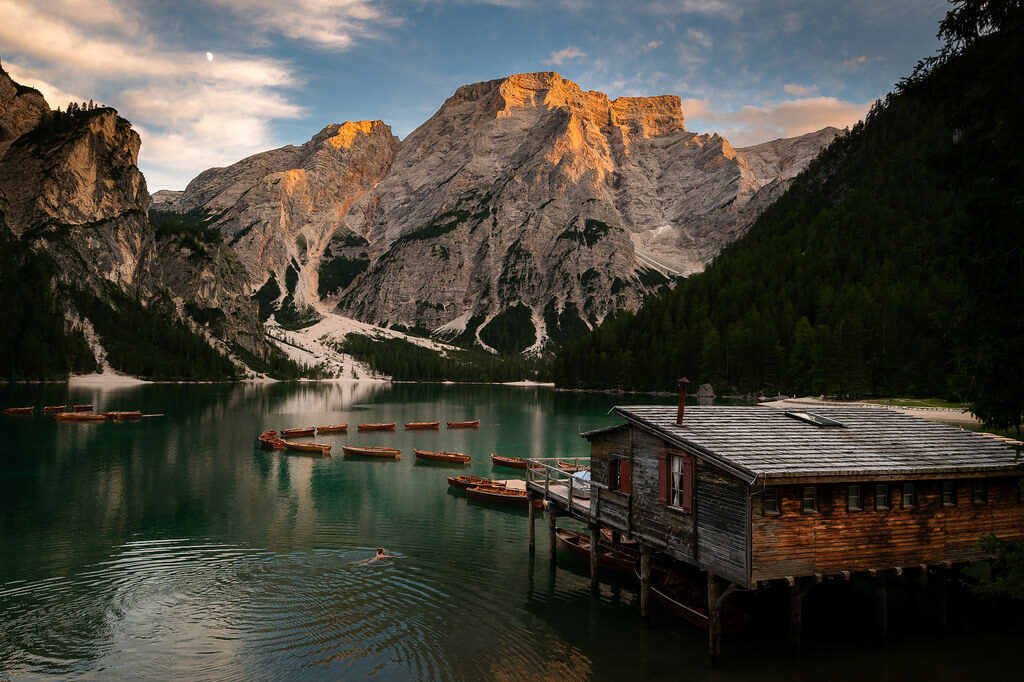
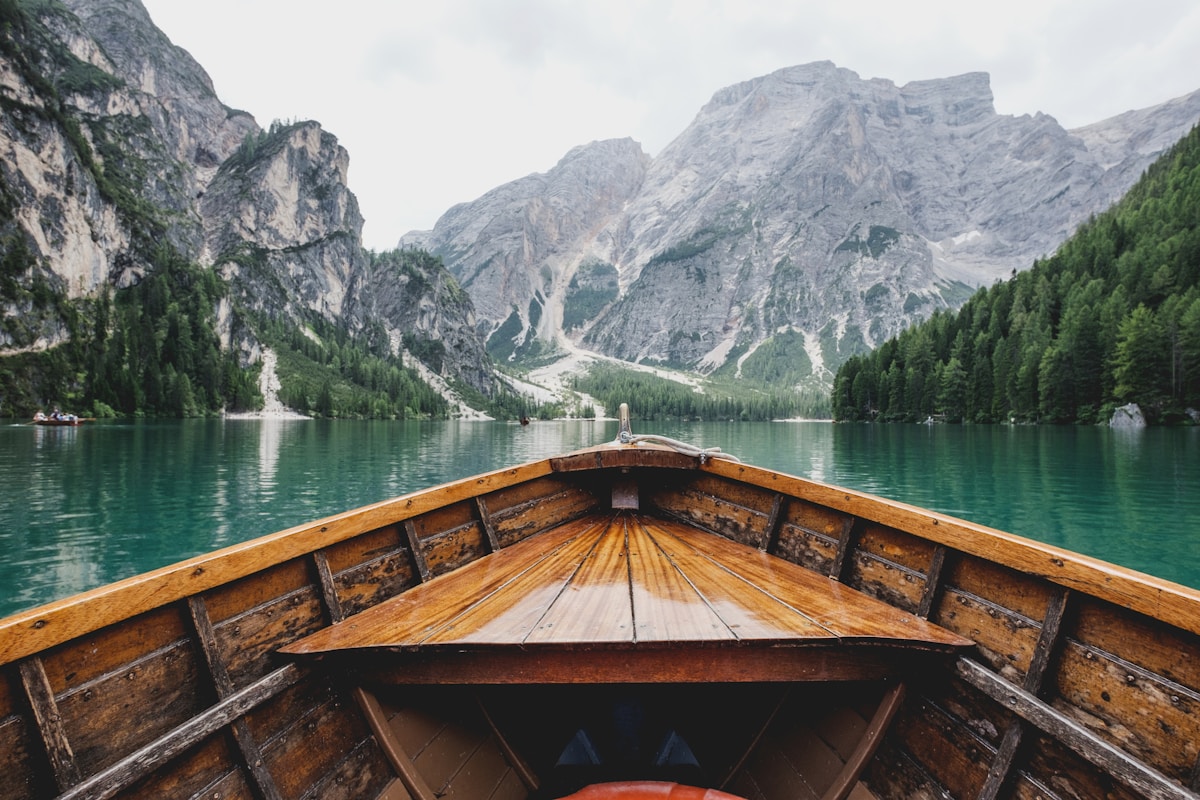
No luxury guide to the Dolomites would be complete without Lago di Braies — and spring is arguably the finest time to visit. In summer, the turquoise lake is mobbed with day-trippers and subject to shuttle-bus restrictions from July through mid-September. But arrive in May or early June, before the crowds descend, and you will have it largely to yourself. The Hotel Pragser Wildsee — the only accommodation directly on the lake, family-owned since 1899 — provides a wonderfully old-world base.
The ninety-minute drive from Cortina via the Cimabanche pass passes through a landscape that shifts from vertical Ampezzan drama to the softer terrain of South Tyrol. Consider a detour to Lago di Misurina or the Tre Cime di Lavaredo — those three iconic towers that are perhaps the most photographed peaks in the Alps. For photographers, spring light here is unmatched: the lower sun paints the pale rock faces in amber, rose, and violet at dawn and dusk.
Cortina’s dining scene has matured dramatically, evolving from hearty mountain fare into something altogether more refined. The undisputed star is Tivoli, where chef Graziano Prest holds a Michelin star in an elegant Alpine house on the road to the Falzarego pass. Prest bridges tradition and innovation: venison, mountain herbs, and fresh-water fish meet seafood sourced daily from the Venice markets. The wine cellar is a treasure trove of rare Italian and French labels.
SanBrite, led by Riccardo Gaspari, represents the vanguard of “regenerative cuisine.” Everything comes from the family’s own farm. Awarded a Michelin star and a green star for sustainability, SanBrite is deeply personal — the tasting menu reads like a love letter to Ampezzan terroir. The on-site cheese shop is worth a visit in its own right.
For something more rustic, El Brite de Larieto sits at 1,700 metres on the road to the Tre Croci pass — a former mountain cottage turned agritourism with farm-to-table cooking that is strikingly honest. The polenta with wild game ragu is revelatory. And then there are the rifugi themselves: a spring lunch of canederli at a sun-drenched mountain hut, with nothing but birdsong for company, remains one of the great simple pleasures of Dolomite travel.
Cortina’s pedestrianised Corso Italia is one of Europe’s most surprising luxury shopping corridors. In the lead-up to the 2026 Olympics, the street saw a wave of investment and new openings, cementing its status as the Alpine equivalent of Via Montenapoleone.
The anchor is Franz Kraler, the family-owned multibrand boutique dressing the Cortina elite since 1984. Under Alexander Kraler, the business has expanded into dedicated boutiques for Dior and Louis Vuitton, plus a partnership with Gucci for the brand’s first freestanding Cortina store. The Kraler flagship at Corso Italia 119 carries Brunello Cucinelli, Loro Piana, and emerging Italian designers. Elsewhere on the corso, Fendi plays up the house’s love of outerwear with particular Alpine flair. Beyond the global names, seek out the local artisans: handcrafted leather goods, carved wooden objects, and fine loden wool in the smaller side-street shops.
Grand Hotel Savoia, a Radisson Collection property, occupies a commanding position at Via Roma 62 — steps from Corso Italia. Built in 1912 and meticulously refurbished, it blends Belle Epoque grandeur with contemporary Alpine design. Its 132 rooms are spacious and understated, the spa is a genuine retreat, and the in-house dining consistently exceeds expectations. What sets the Savoia apart is its sense of place: this is a hotel that feels like Cortina.
The Cristallo, a Luxury Collection Resort & Spa, has been the Dolomites’ most storied address since 1901, perched above town with sweeping valley views. A major renovation is underway — it will reopen under the Mandarin Oriental banner — promising a new benchmark for Alpine luxury. For more intimate stays, Cortina’s growing roster of boutique hotels and luxury chalets offers excellent alternatives, particularly renovated Ampezzan wooden houses with private wellness facilities.
When to go: Late March through early June. March and April are ideal for late-season skiing; May and June bring hiking and wildflowers. Late April to early May offers a rare window when both skiing and hiking are possible on the same day.
What to pack: Layers are essential — mornings at altitude can be below freezing, while afternoons may reach 18°C. Bring a waterproof shell, merino base layers, quality hiking boots, and UV-protection sunglasses. Pack smart casual evening wear: Cortina’s restaurant culture is refined.
Getting there: Venice Marco Polo (VCE) and Innsbruck (INN) are each roughly two hours by car. The drive from Venice via the A27 and scenic SS51 through the Cadore valley is one of the great Italian road trips. Private transfers and helicopter services are available. Cortina is also reachable by train to Calalzo di Cadore, followed by a thirty-minute bus or taxi.
Olympic legacy: The Milano Cortina 2026 Winter Olympics left Cortina with upgraded roads, a renovated sliding centre, improved transport connections, and a newly energised cultural calendar. The benefits are felt everywhere, from better signposted trails to a restaurant scene firing on all cylinders.
When is the best time to visit Cortina d’Ampezzo in spring?
Late March through early June. March and April are best for late-season skiing with warmer days and fewer crowds; May and June are ideal for hiking, wildflowers, and the reopening of mountain rifugi. The late April to early May window is particularly special, as both skiing and hiking are possible on the same day.
Are hiking trails open in Cortina during spring?
Lower and mid-altitude trails begin opening in May. The popular Cinque Torri circuit is typically accessible from late May. High-altitude passes like Passo Giau and rifugi such as Rifugio Nuvolau generally open in mid-June. Always check conditions, as snow can linger at higher elevations well into June.
Can you still ski in Cortina in spring?
Yes. Dolomiti Superski keeps Cortina’s main lifts running through late April to early May, with the 2025/26 season closing around May 3. Spring skiing offers softer snow, warmer temperatures, and discounted Dolomiti Springdays lift passes from mid-March onward.
What are the best restaurants in Cortina d’Ampezzo?
Cortina’s top tables include Michelin-starred Tivoli by chef Graziano Prest, SanBrite by Riccardo Gaspari (one Michelin star plus a green star for sustainability), and the rustic farm-to-table El Brite de Larieto at 1,700 metres altitude. Book well in advance.
What luxury hotels are recommended in Cortina?
The Grand Hotel Savoia, a Radisson Collection property dating to 1912, offers 132 refurbished rooms in the heart of town. The legendary Cristallo Resort & Spa, open since 1901, is undergoing renovation and will reopen under the Mandarin Oriental brand.
What luxury shopping is available in Cortina?
Corso Italia hosts Franz Kraler multibrand boutiques alongside dedicated stores for Fendi, Dior, Gucci, and Louis Vuitton. Local artisan shops offer handcrafted leather goods, carved wooden objects, and fine loden wool.
What should I pack for a spring trip to Cortina d’Ampezzo?
Pack in layers: mornings can be below freezing, while afternoons may reach 18°C. Essentials include a waterproof shell, merino base layers, waterproof hiking boots, and UV-protection sunglasses. Bring smart casual attire for evening dining.
Experience the magic of free flight and let yourself be carried by the wind above…
Discover More →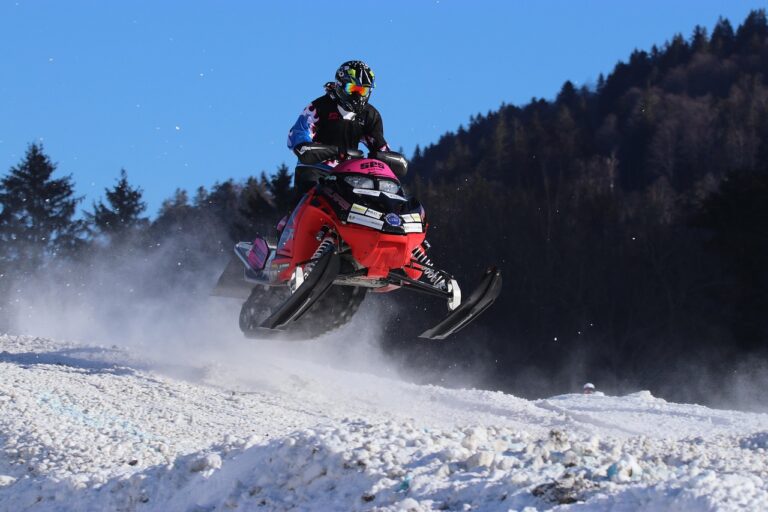
Get ready for one of the most thrilling experiences in the Dolomites — a snowmobile…
Discover More →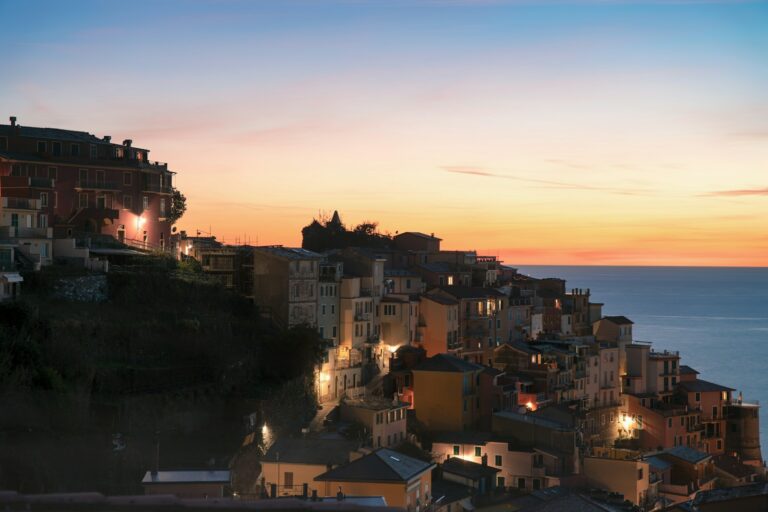
Let the sea breeze, colors, and timeless charm of the Cinque Terre create a memory…
Discover More →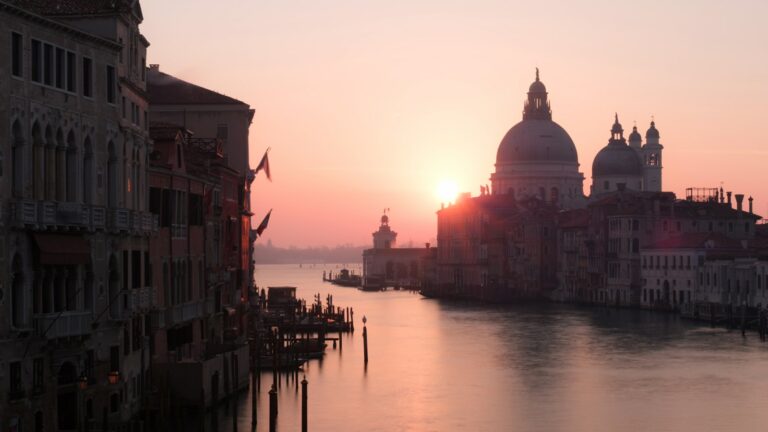
Private walking tour of Venice's iconic St Mark's Square, Rialto Bridge & Grand Canal. Explore…
Discover More →