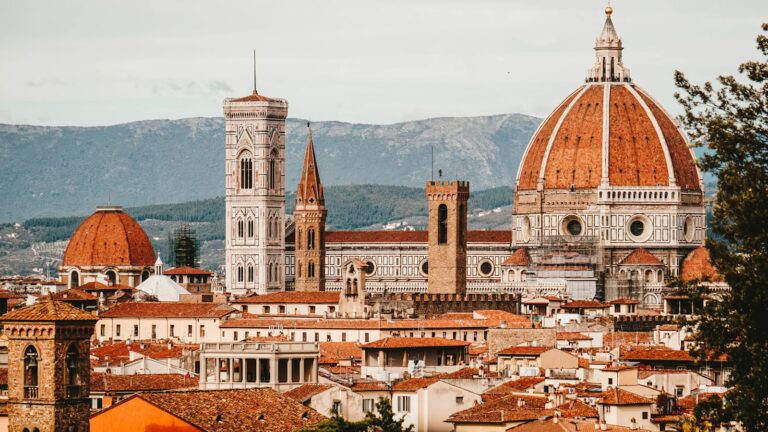
Private Florence Walking Tour
Immersive walking tour through Florence's iconic landmarks with expert guide. Discover the Duomo, Ponte Vecchio,…
Discover More →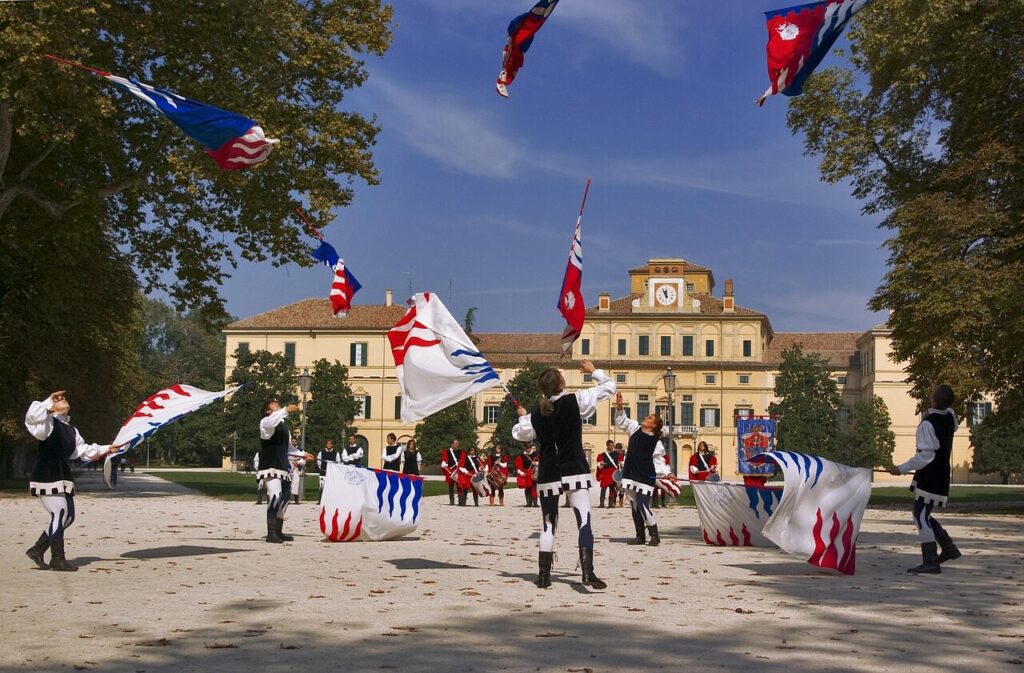
Discover Parma in spring: luxury Parmigiano factory tours, Prosciutto tastings, Teatro Regio opera, Labirinto della Masone & Emilian cuisine. Travel guide....
There is a moment in early April when the plane trees along Parma’s boulevards begin to unfurl their first pale leaves, and the light over the Po Valley turns from winter’s silver haze into something warmer, almost golden. The cafés along Strada della Repubblica move their tables outside. The scent of fresh tortelli drifts from kitchen windows. And the city — compact, elegant, profoundly unhurried — reveals itself as one of Italy’s most rewarding destinations for anyone who believes that travel should nourish every sense.
Parma has never chased the spotlight the way Florence or Rome have. Its treasures are subtler, more intimate: a Parmigiano Reggiano wheel cracked open at dawn in a farmhouse dairy, a Correggio fresco that stops you mid-breath, an evening at one of Europe’s most beautiful opera houses where Verdi’s ghost still lingers in the velvet. This is a city built on taste — literal and refined — and spring is its finest hour.
For the luxury traveller seeking substance over spectacle, Parma in spring offers something increasingly rare: authenticity that hasn’t been diluted by mass tourism, world-class gastronomy rooted in centuries of tradition, and a cultural life that rivals cities ten times its size. Consider this your insider’s guide to experiencing it all at its very best.
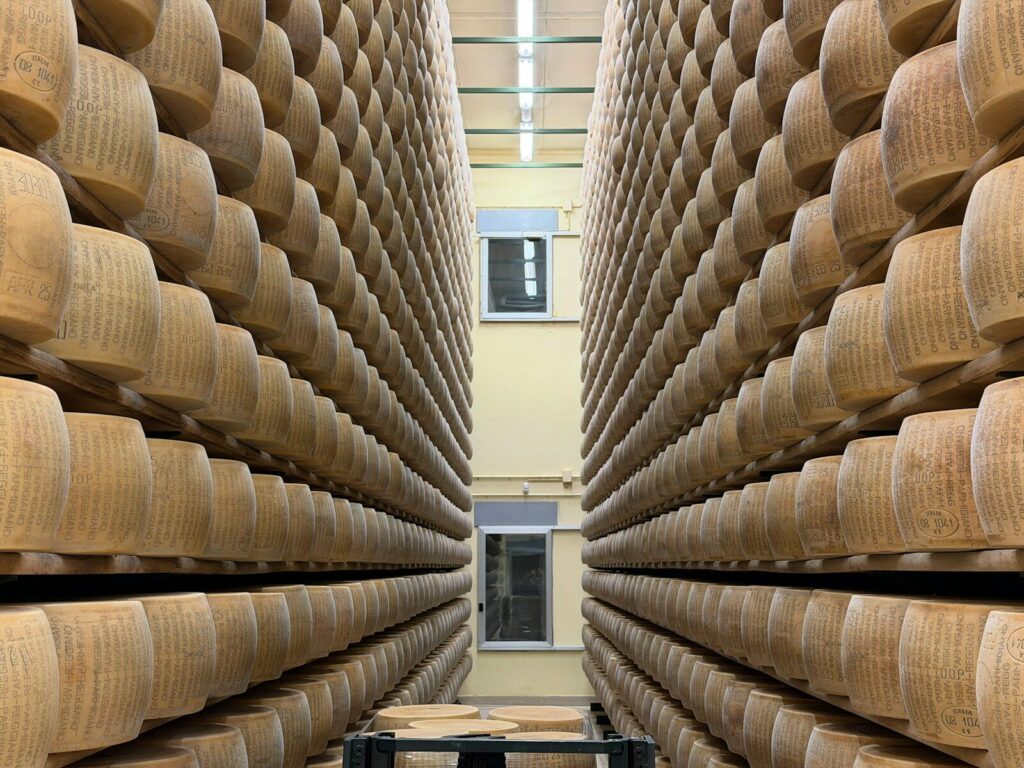
No visit to Parma is complete without witnessing the creation of Parmigiano Reggiano — the undisputed king of cheeses — from raw milk to finished wheel. The Consorzio del Parmigiano Reggiano coordinates visits to dozens of small, family-run dairies scattered across the province, and spring is the ideal season: the cows have begun grazing on fresh pasture, yielding milk with a complexity that cheesemakers prize above all else.
These are early-morning affairs. Production happens exclusively before noon, which means arriving at a caseificio by 8:00 or 8:30 AM to watch the master cheesemaker coax curds from copper vats exactly as his predecessors did nine centuries ago. The process is mesmerising in its precision: 550 litres of milk become a single wheel weighing roughly 40 kilograms. After moulding, each wheel is stamped with the consortium’s distinctive dotted rind and left to age for a minimum of twelve months — though the finest examples rest for 24, 36, or even 48 months in silent, cathedral-like warehouses stacked floor to ceiling with golden wheels.
Among the dairies open to visitors, Società Agricola Saliceto offers an intimate, hands-on experience where you can visit the barn, the production floor, and the ageing rooms before sitting down to a tasting that reveals the startling difference between a 12-month wheel and a 36-month masterpiece. Giansanti di Muzio is another excellent choice, with a farm shop where you can purchase directly from the source. Book at least three to four days in advance — these small operations fill quickly, especially in spring when the weather makes the countryside drive a pleasure in itself.
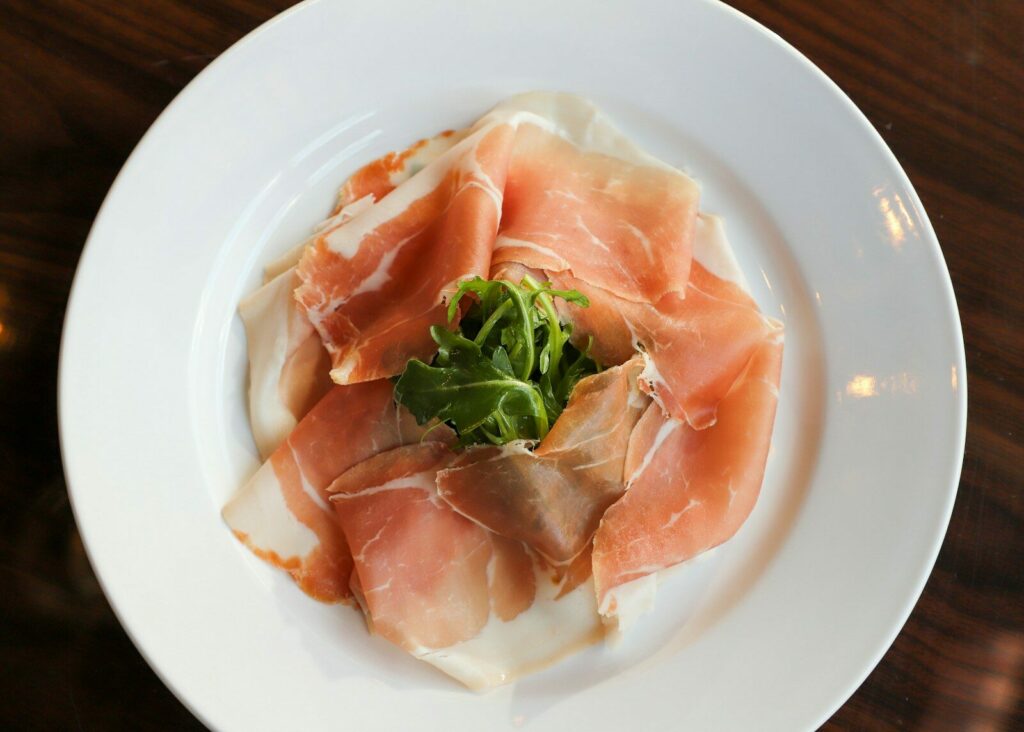
If Parmigiano Reggiano is Parma’s king, then Prosciutto di Parma is its queen. The prosciuttifici — curing houses — cluster in the foothills south of the city, around the town of Langhirano, where the unique microclimate created by breezes from the Apennines and the Tyrrhenian Sea provides the perfect conditions for air-curing pork legs into one of the world’s most celebrated delicacies.
A visit to a prosciuttificio is a sensory revelation. Walking into an ageing cellar where thousands of legs hang in silent rows, perfuming the air with a sweet, nutty fragrance, is an experience that transcends gastronomy and enters the realm of art. The Consorzio del Prosciutto di Parma can arrange visits to member producers, where you’ll learn about the rigorous DOP standards that govern every stage of production — from the breed and diet of the pigs to the precise amount of sea salt used in curing, to the minimum 12-month ageing period.
Spring brings a particular advantage: the windows of the curing houses are thrown open to welcome the mild Emilian air, and you can see the traditional practice in action as the breeze does its slow, transformative work on the fresh legs. The visit culminates in a tasting — paper-thin slices of prosciutto at various stages of maturity, often paired with shards of aged Parmigiano and a glass of Lambrusco or Malvasia from the surrounding hills. It is, quite simply, one of the great food experiences available anywhere in the world.
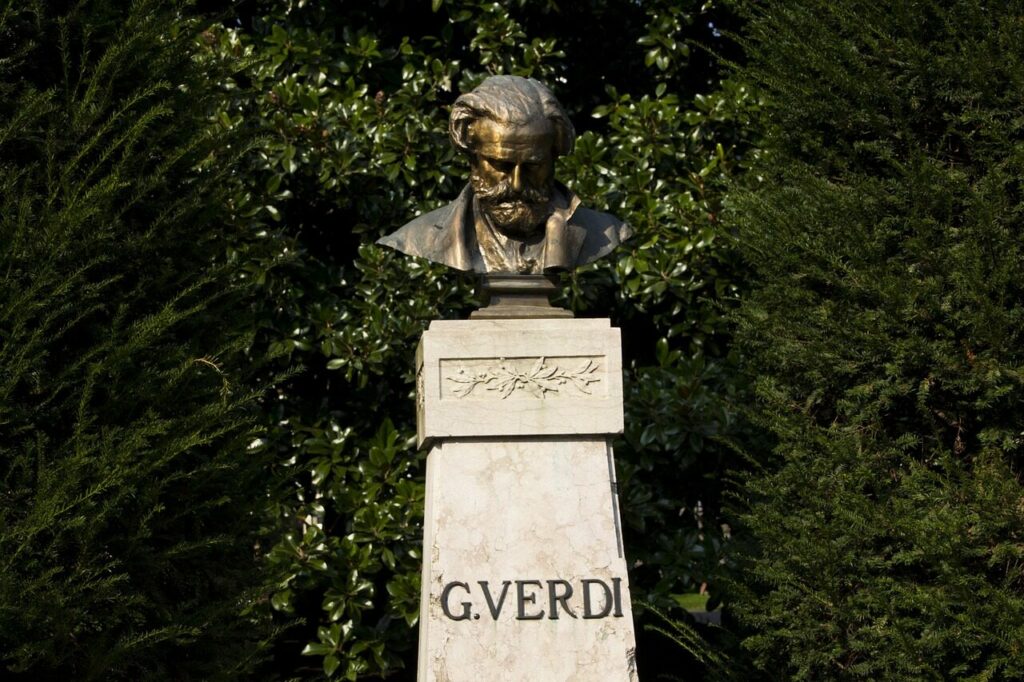
Parma’s relationship with opera is not a tourist attraction — it is a civic identity. Teatro Regio di Parma, the neoclassical jewel on Strada Garibaldi, has been the spiritual home of Italian opera since its inauguration in 1829. Its acoustics are legendary, its audiences famously exacting. Giuseppe Verdi was born just 30 kilometres away in the village of Roncole, and his presence saturates the musical life of the city to this day.
The 2026 Opera Season runs from January through May, offering a superb spring programme. Manon Lescaut, Puccini’s devastating tale of passion and sacrifice, takes the stage from March 16 to 28 — a production that promises to be one of the season’s highlights. The season culminates with Regio197, a special gala on May 16 celebrating the theatre’s 197th anniversary. Tickets are available through the Teatro Regio box office or by contacting biglietteria@teatroregioparma.it, and securing good seats in advance is strongly recommended — Parma’s operagoers are passionate and loyal.
Even if your visit doesn’t coincide with a performance, the theatre itself merits a visit. Its intimate horseshoe auditorium, adorned with gilded stucco and crimson velvet, seats just over 1,000 — a fraction of La Scala’s capacity — creating an immediacy between audience and stage that larger houses simply cannot match. For Verdi devotees, a day trip to his birthplace in Roncole and his country estate at Villa Verdi in Sant’Agata completes the pilgrimage.
Twenty minutes north of Parma, amid the flat farmland of the Po Plain, stands one of the most extraordinary cultural projects in contemporary Italy. The Labirinto della Masone is the creation of the late Franco Maria Ricci — publisher, art collector, aesthete, and one of the great patrons of Italian culture. Opened in 2015, it is the world’s largest bamboo labyrinth: over 200,000 bamboo plants arranged in seven hectares of living, breathing geometric design.
Spring is unquestionably the best season to visit. The bamboo is at its most verdant, new shoots emerge daily, and the labyrinth’s pathways — which take roughly an hour to navigate — are cooled by shade and birdsong. But the maze itself is only half the experience. At its heart sits an elegant complex housing Ricci’s remarkable art collection, which spans five centuries and includes works by Parmigianino, Piranesi, and Canova, among many others.
In 2026, the Labirinto is hosting a major exhibition dedicated to Erté, the iconic Art Deco illustrator and designer, featuring over 150 works including drawings, sketches from the Victoria and Albert Museum in London, pochoirs, lithographs, and rare archival material. The Ora d’Arte 2026 cultural programme, curated by Elisa Rizzardi, explores the electric creativity of the 1920s and 1930s through talks, performances, and interdisciplinary events. After your visit, linger at the on-site restaurant for a lunch that draws on the same Emilian traditions found in Parma’s best kitchens.
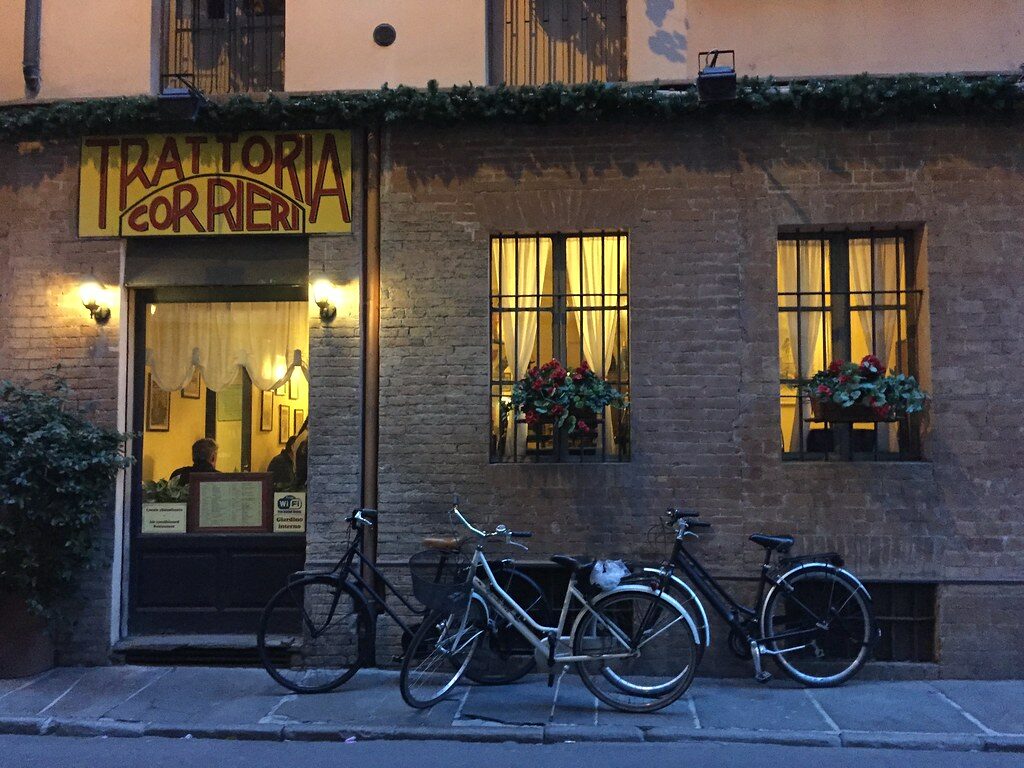
In Parma, dining is not a supplement to sightseeing — it is the sightseeing. The city’s culinary traditions run deep, and the restaurants that honour them do so with a seriousness that borders on devotion. Spring menus celebrate the season with fresh herbs, young vegetables, and the incomparable local charcuterie at its peak.
Ristorante Cocchi, recognized in the MICHELIN Guide, is a Parma institution. Housed in the Hotel Daniel, it serves deeply traditional Emilian cuisine with an elegance that never sacrifices authenticity: the tortelli alle erbette — fresh pasta parcels filled with ricotta and Swiss chard, bathed in melted butter and Parmigiano — is a dish of deceptive simplicity and extraordinary depth. The wine list is superb, drawing heavily from Emilia-Romagna’s underrated cellars.
Angiol d’Or, tucked into Vicolo Scutellari just steps from the Duomo, offers the rare privilege of dining with views of the Baptistery’s pink marble facade. Under Chef Morgan Berardi, the kitchen honours Parma’s classics — torta fritta with culatello, anolini in brodo, and the legendary punta ripiena al forno — while the wine cellar rewards exploration. Request a table by the window at lunch, when the spring light on the piazza is at its most beautiful.
For a more rustic, deeply local experience, Trattoria Ai Due Platani in the Coloreto fraction, five minutes from the centre, holds a well-deserved MICHELIN Bib Gourmand for exceptional value. Founded in the 1920s and now run by a passionate trio of partners, it serves what may be the finest pumpkin tortelli in the province, alongside an impressive selection of cured meats and a legendary homemade ice cream with freshly whipped cream. Book well ahead — this is where Parma’s own gourmands eat, and tables disappear quickly.
Beyond these, Parma’s culinary lexicon demands familiarity with culatello di Zibello — the noblest of Italian cured meats, aged in the foggy cellars of the Po lowlands — and anolini, the tiny pasta parcels filled with braised beef and Parmigiano that are served in a clear, intensely flavourful broth. Spring is also the season for tortelli d’erbetta, when the wild herbs that fill them are at their most fragrant.
Parma punches far above its weight culturally, and a few essential stops belong on every itinerary. The Palazzo della Pilotta, the imposing Farnese fortress that dominates the city’s western edge, houses multiple institutions under one roof. The Galleria Nazionale di Parma holds an exceptional collection of Emilian painting, including works by Correggio, Parmigianino, and Canaletto. But the Pilotta’s true showstopper is the Teatro Farnese, a vast, entirely wooden theatre built in 1618 — a jaw-dropping space that, once glimpsed, is never forgotten.
Across the city, the Duomo di Parma and its adjacent Battistero form one of the most beautiful religious complexes in northern Italy. The Baptistery, sheathed in pink Verona marble and rising like a jewelled octagon from the piazza, is a masterpiece of the transition from Romanesque to Gothic architecture. Inside the cathedral, look up: Correggio’s Assumption of the Virgin, painted on the dome between 1524 and 1530, is a swirling vortex of colour and movement that seems to dissolve the stone ceiling into open sky. It remains one of the most ambitious achievements of Renaissance painting.
For a quieter contemplation, seek out the Camera di San Paolo, a small chamber in the former Benedictine convent where Correggio painted a private commission of extraordinary intimacy — mythological scenes and playful putti that reveal a painter of limitless invention. It is one of those hidden treasures that makes Parma feel like a secret shared between knowing travellers.
Where to stay. Grand Hotel De La Ville is Parma’s five-star landmark, designed by Renzo Piano within a converted pasta factory — a marriage of industrial heritage and contemporary luxury with 110 rooms, including sumptuous suites, the gourmet restaurant Il Parmigianino, and a sleek cocktail bar. For something more intimate and historically immersive, Palazzo Dalla Rosa Prati offers seven elegantly furnished suites directly on Piazza Duomo, some with windows so close to the Baptistery you could almost touch the marble. The palazzo also features a rooftop terrace, a wellness centre, and the kind of discreet, personalised service that transforms a hotel stay into a private residence experience. Couples rate the location a near-perfect 9.9.
Getting there. Parma sits on Italy’s main north-south rail line and is just 47 minutes from Milan by high-speed Trenitalia or Italo train — making it a seamless addition to a Milan-based itinerary. Bologna is even closer at roughly 55 minutes. Parma’s own Giuseppe Verdi Airport handles some seasonal traffic, but most international visitors fly into Milan Malpensa or Bologna’s Marconi and transfer by rail. If driving, the A1 autostrada connects Parma to both cities in under 90 minutes.
How many days. Three full days is the sweet spot. Day one for the city’s cultural landmarks and an evening at the Teatro Regio if performances align. Day two for the food pilgrimage — morning at a Parmigiano dairy, afternoon at a prosciuttificio, and a long lunch in between. Day three for the Labirinto della Masone and a leisurely farewell dinner at one of the city’s great restaurants. If you can spare a fourth day, use it to explore the castles and vineyards of the surrounding countryside — the Castello di Torrechiara, perched above the Parma valley, is spectacular in spring bloom.
Is Parma worth visiting in spring?
Absolutely. Spring is arguably Parma’s finest season. The weather is mild and pleasant — typically 15–22 °C — the plane trees and gardens are in full leaf, the opera season is in full swing at the Teatro Regio, and the curing houses open their windows to the warm Apennine breezes. Outdoor dining begins across the city, and the countryside surrounding Parma is lush and beautiful for day trips.
How many days should you spend in Parma?
Three full days is ideal. This gives you time to explore Parma’s cultural landmarks (the Duomo, Palazzo della Pilotta, Camera di San Paolo), visit a Parmigiano Reggiano dairy and a prosciuttificio, enjoy the Labirinto della Masone, and dine at several of the city’s outstanding restaurants. A fourth day allows for excursions to the surrounding castles and hills.
What is Parma famous for?
Parma is Italy’s undisputed food capital, famous for Parmigiano Reggiano cheese and Prosciutto di Parma — both DOP products with centuries of tradition. Beyond gastronomy, the city is renowned for its opera heritage (Verdi was born nearby), Renaissance art by Correggio and Parmigianino, and the stunning Romanesque-Gothic Baptistery. It was designated a UNESCO Creative City of Gastronomy and served as Italian Capital of Culture in 2020–2021.
What is the best time to visit Parma?
Spring (April to June) and autumn (September to October) are the best seasons. Spring offers mild temperatures, blooming countryside, and the opera season at the Teatro Regio. Autumn brings harvest festivals, truffle season, and the grape crush in the surrounding hills. Summer can be hot and humid in the Po Valley, while winter is cold and foggy — atmospheric, but less comfortable for exploring on foot.
Can you visit Parmigiano Reggiano factories?
Yes. The Consorzio del Parmigiano Reggiano coordinates visits to numerous small dairies across the province. Tours typically begin at 8:00–8:30 AM, as cheese production happens exclusively in the morning. You’ll watch the full process from raw milk to finished wheel, tour the ageing warehouses, and enjoy a tasting of cheeses at different maturation stages. Book at least three to four days in advance through the Consorzio website or directly with individual dairies.
Where can you see Prosciutto di Parma being made?
The prosciuttifici are concentrated around the town of Langhirano, about 20 kilometres south of Parma in the Apennine foothills. The Consorzio del Prosciutto di Parma arranges visits to member producers, where you can tour the salting rooms, ageing cellars, and learn about the DOP production standards. Spring is an especially good time to visit, as the curing houses open their windows to the seasonal breezes that are essential to the ageing process.
What should I eat in Parma?
Start with the city’s two iconic DOP products: Parmigiano Reggiano and Prosciutto di Parma, ideally tasted at the source. Essential dishes include anolini in brodo (tiny meat-filled pasta in clear broth), tortelli d’erbetta (ricotta and herb-filled pasta with butter and Parmigiano), torta fritta (fried dough served with cured meats), and culatello di Zibello — the most prized Italian cured meat. Finish with homemade ice cream and whipped cream, a local tradition. Pair everything with Lambrusco or Malvasia dei Colli di Parma.
Immersive walking tour through Florence's iconic landmarks with expert guide. Discover the Duomo, Ponte Vecchio,…
Discover More →
As soon as we leave the port, the Mediterranean unfolds like a curtain: crystal waters,…
Discover More →
Experience Rome's magic after dark on a golf cart tour. Admire illuminated monuments and city…
Discover More →
Experience the magic of history on an unforgettable journey through Pompeii, a city frozen in…
Discover More →