
28/02/2024
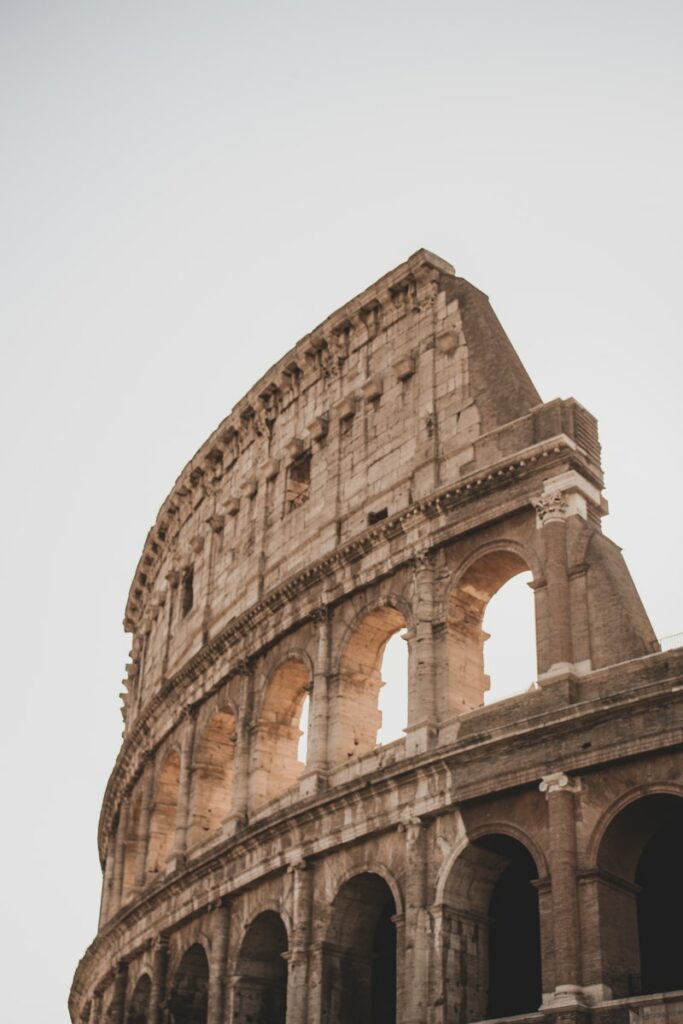
The Heart of Rome
Immersive walking tour through Rome’s iconic landmarks with expert guide. Discover the Colosseum, Pantheon, Trevi Fountain,…
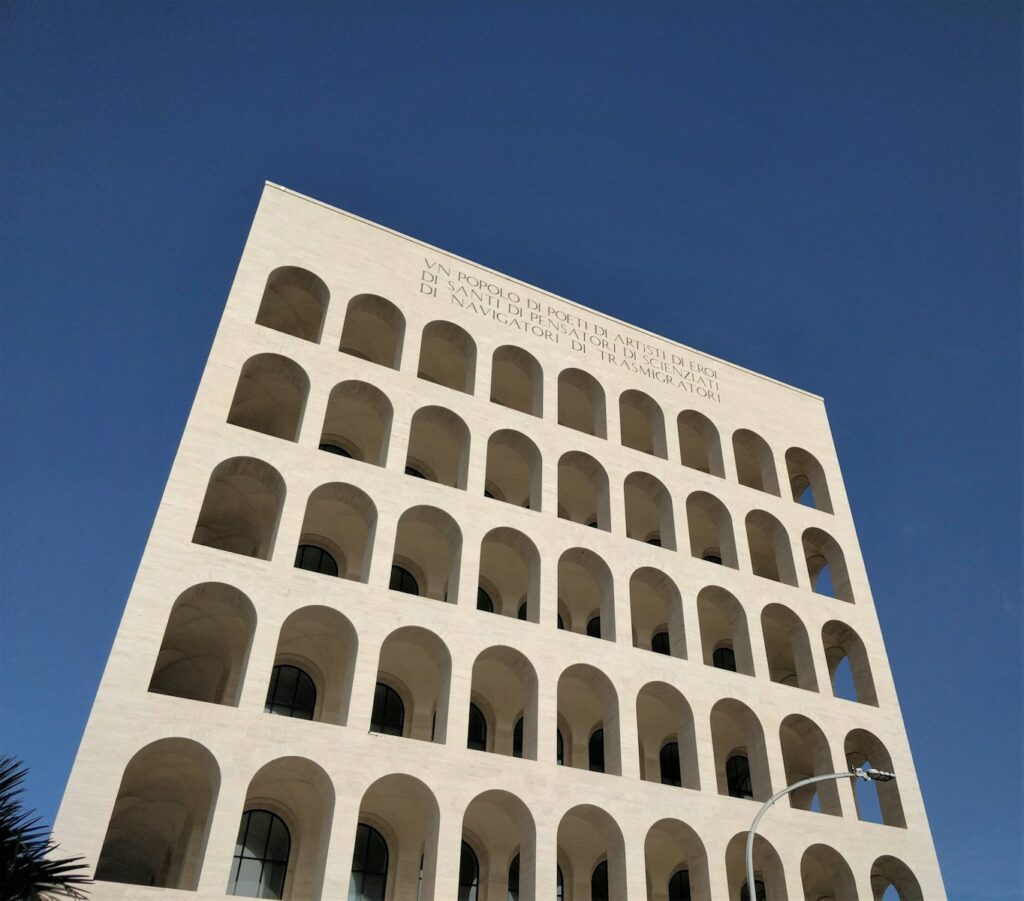
Beyond the Colosseum: Rome's Hidden Neighborhoods Rome rewards exploration beyond its famous monuments. Hidden neighborhoods preserve authentic Roman life, revealing layers of history tourists miss. Winter's reduced crowds make these discoveries accessible and genuine. Real Rome lives in its neighborhoods - where laundry hangs between buildings and locals know your name. 1. Trastevere: Bohemian Rome…...
Rome rewards exploration beyond its famous monuments. Hidden neighborhoods preserve authentic Roman life, revealing layers of history tourists miss. Winter’s reduced crowds make these discoveries accessible and genuine.
Real Rome lives in its neighborhoods – where laundry hangs between buildings and locals know your name.
Trastevere, literally “across the Tiber,” maintains village-like character despite increasing tourism. Narrow medieval streets wind between ochre buildings, opening onto small piazzas where Romans gather at evening. The neighborhood balances authentic life with visitor welcome better than most touristy areas.
Santa Maria in Trastevere, one of Rome’s oldest churches, anchors the main piazza. Its medieval mosaics glow gold even in winter light. Surrounding streets hide artisan workshops, family-run trattorias, and wine bars where locals outnumber visitors, especially in winter.
Monti, tucked between the Colosseum and Termini station, evolved from working-class neighborhood to bohemian enclave. Vintage shops, independent boutiques, and cafes line streets that maintain residential character. This is where young Romans live, work, and socialize.
The neighborhood centers on Via dei Serpenti and Via del Boschetto, where small stores sell artisan goods, not tourist souvenirs. Piazza Madonna dei Monti hosts evening gatherings where locals sit on fountain steps, drinking wine from plastic cups and talking into the night.
Monti shows what happens when a neighborhood gentrif ies while keeping its soul intact.
Rome’s Jewish community dates to antiquity – the oldest continuous Jewish presence in Europe. The Ghetto, established in 1555, confined Jews until 1870. Today it’s a vibrant neighborhood preserving Jewish-Roman traditions, particularly culinary ones.
The Great Synagogue, built after emancipation, rises prominently near the Tiber. The Jewish Museum inside documents the community’s 2,000-year history. Surrounding streets hold restaurants serving Jewish-Roman specialties: carciofi alla giudia (fried artichokes), fiori di zucca (fried zucchini blossoms), crostata ricotta e visciole (ricotta-cherry tart).
Testaccio developed around Rome’s slaughterhouse and river port, creating working-class character that persists despite gentrification. The neighborhood gave birth to authentic Roman cuisine – quinto quarto dishes originated here when slaughterhouse workers received offal as payment.
Monte Testaccio, an artificial hill made entirely of ancient Roman amphora shards, defines the neighborhood. Clubs and restaurants burrow into the hill. The Protestant Cemetery holds Keats’ and Shelley’s graves. The market buzzes with food culture. This is real Rome, not performing for tourists.
Pigneto, east of the center, attracts artists, students, and young professionals with affordable rents and unpretentious atmosphere. The neighborhood lacks major sights but offers authentic Roman life – markets, neighborhood bars, street art, locals going about daily routines.
Via del Pigneto, the main street, hosts bars and restaurants serving inventive food at reasonable prices. This isn’t ancient Rome or Renaissance Rome – it’s contemporary Rome where future traditions develop. Visit to see where the city is heading, not where it’s been.
Garbatella, built in the 1920s as worker housing, follows garden city principles – low-rise buildings around green courtyards, human-scale streets, community facilities. The architecture ranges from whimsical to rationalist, creating unique atmosphere.
Few tourists reach Garbatella, making it purely local experience. The neighborhood maintains strong community identity, with residents gathering in piazzas and trattorias. It’s beautiful, unusual, and completely different from central Rome’s density.
The Coppede quarter, near Villa Borghese, seems transplanted from another city – or another century’s imagination. Architect Gino Coppede created this small district in the 1920s, mixing Art Nouveau with medieval, Baroque, and ancient elements into fantastical buildings.
The Piazza Mincio, with its Fountain of the Frogs, centers the district. Surrounding buildings feature elaborate decorations, towers, loggias, and details that reward close inspection. It’s surreal, delightful, and completely unexpected in Rome.
We specialize in revealing Rome’s neighborhoods, not just monuments. These experiences emphasize authentic life, local culture, and discoveries guidebooks miss.
Your curated hidden Rome experience includes:
Rome’s neighborhoods reveal what monuments can’t – daily life, continuity, authentic culture.
Book your hidden Rome discovery – because real cities live in neighborhoods, not tourist sites.
Travel Italy in Gold Black Style
28/02/2024
Immersive walking tour through Rome’s iconic landmarks with expert guide. Discover the Colosseum, Pantheon, Trevi Fountain,…
28/02/2024
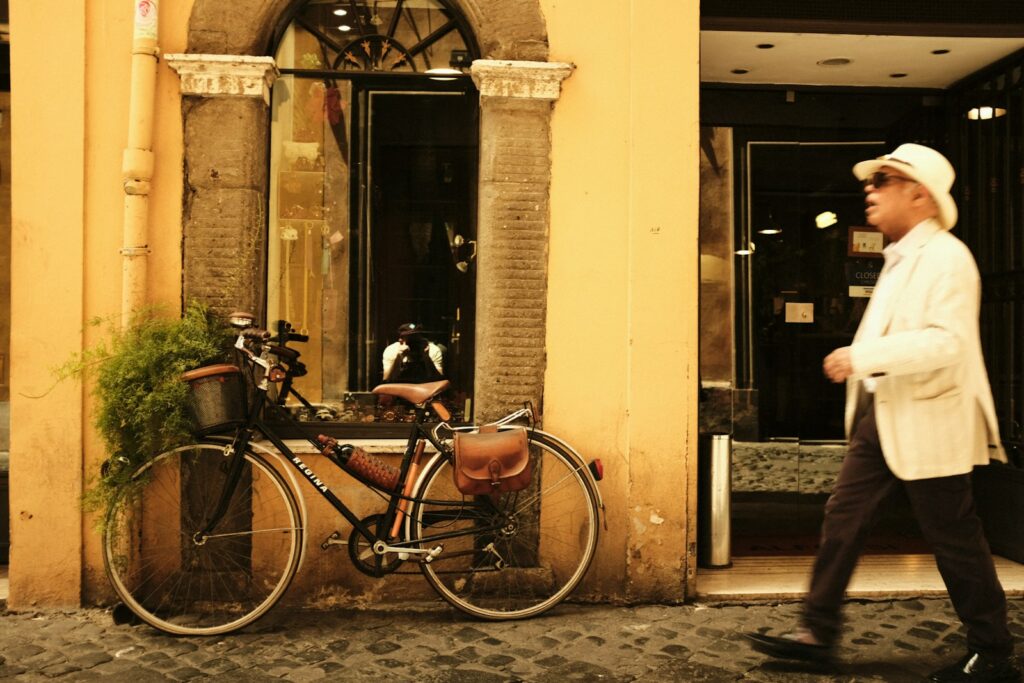
Discover Rome’s hidden parks and gardens on an e-bike tour. Explore Villa Torlonia and secret spots…
28/02/2024
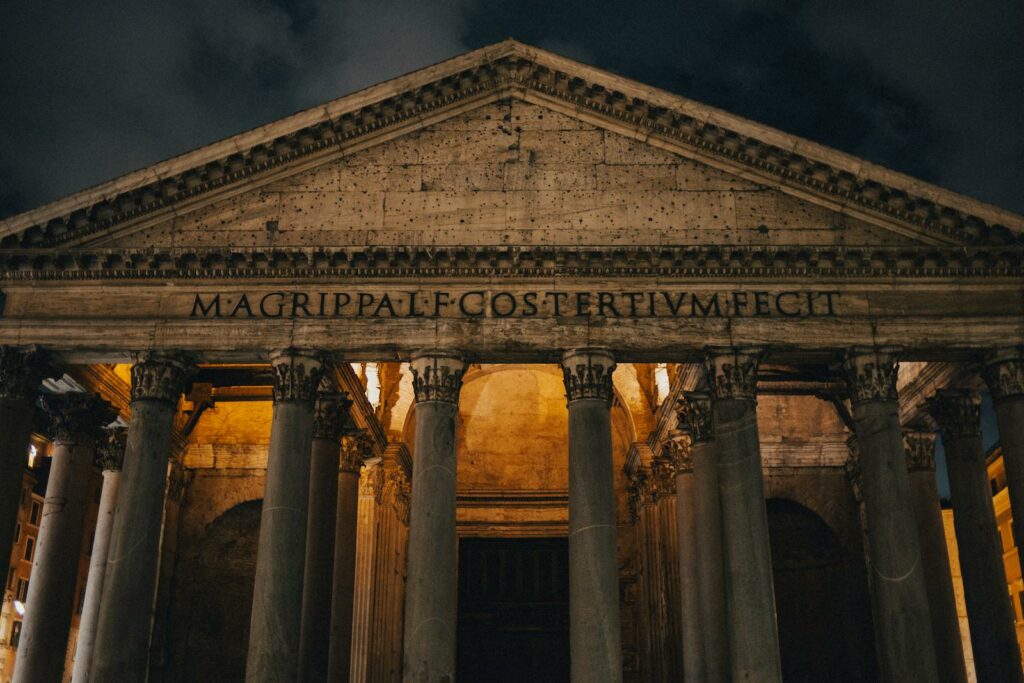
Experience Rome’s magic after dark on a golf cart tour. Admire illuminated monuments and city lights…
28/02/2024
A culinary experience is the best way to immerse in the flavors and traditions of Roman…