

28/02/2024
Venice: Carnival Mask Making with a Local Artisan
Immerse yourself in the art of Venetian mask-making with this workshop in a traditional atelier. Learn…
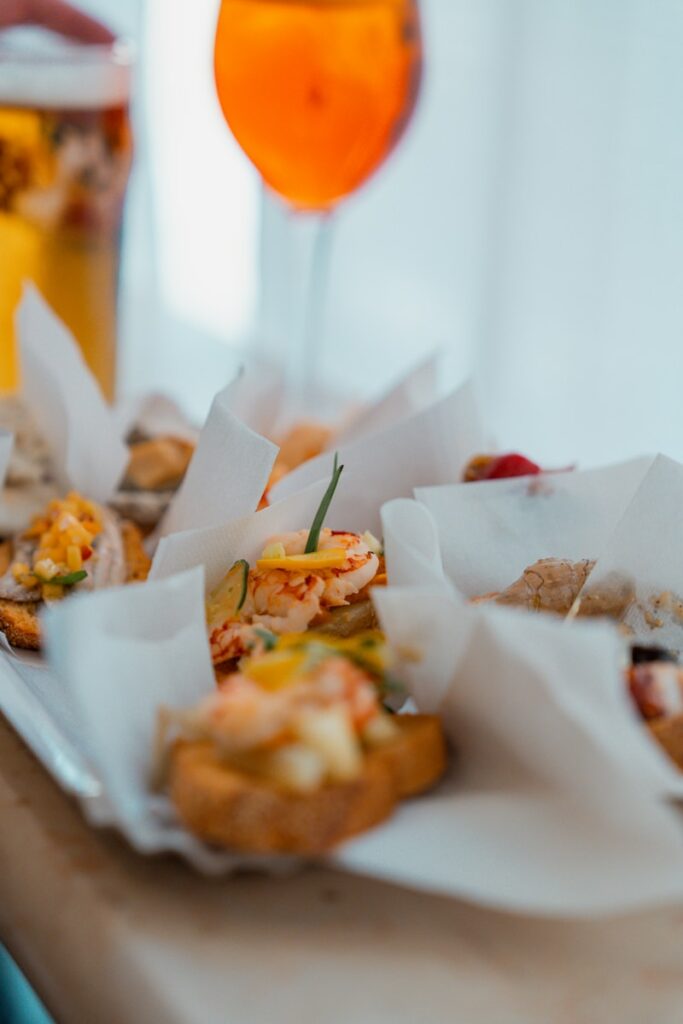
Venetian Cuisine: A Winter Journey Through Taste Venetian cuisine reflects centuries of maritime trade, lagoon harvests, and adaptation to a city built on water. Winter showcases this culinary heritage at its finest - when restaurants cook for locals and seasonal ingredients inspire traditional dishes. To understand Venice, you must taste it - cicchetti by cicchetti,…...
Venetian cuisine reflects centuries of maritime trade, lagoon harvests, and adaptation to a city built on water. Winter showcases this culinary heritage at its finest – when restaurants cook for locals and seasonal ingredients inspire traditional dishes.
To understand Venice, you must taste it – cicchetti by cicchetti, campo by campo.
The Rialto Market has fed Venice for a millennium. The Pescaria (fish market) operates Tuesday through Saturday mornings, displaying lagoon and Adriatic catches with theatrical flair. Vendors arrange fish, shellfish, and crustaceans like art installations, calling out to customers in Venetian dialect.
Adjacent fruit and vegetable stalls showcase seasonal produce: radicchio from Treviso, white asparagus from Bassano, artichokes from Sant’Erasmo island. Winter brings earthy flavors – pumpkins, cabbage, root vegetables – that inspire Venetian comfort dishes.
Cicchetti – small dishes served in bacari – form the foundation of Venetian social eating. These aren’t appetizers but a complete dining philosophy: variety over volume, conversation over rush, standing over sitting.
Classic cicchetti include baccala mantecato (whipped salt cod), sarde in saor (sweet-sour sardines), polpette (meatballs), crostini with various toppings, and seasonal vegetables. Order several, pair with local wine, eat at the bar, move to the next bacaro when ready.
The giro de ombra – moving from bacaro to bacaro – is Venice’s perfect evening ritual.
Venetian cuisine emphasizes seafood, rice, and polenta – ingredients that reflect the lagoon environment and historical trade connections.
Venice harbors many tourist traps but also exceptional traditional restaurants. The difference is obvious once you know what to look for.
Red flags: Multilingual menus with photos, touts on the street, locations immediately adjacent to major sights, generic “Italian” rather than Venetian dishes.
Good signs: Menu in Italian (maybe English translation), locals dining, seasonal specials, focus on Venetian dishes, neighborhood location.
Veneto produces exceptional wines often overshadowed by Tuscany and Piedmont. Venetian sommeliers showcase regional treasures alongside national stars.
Venetian sweets reflect centuries of spice trade and celebration culture. Winter brings special treats, particularly during Carnival.
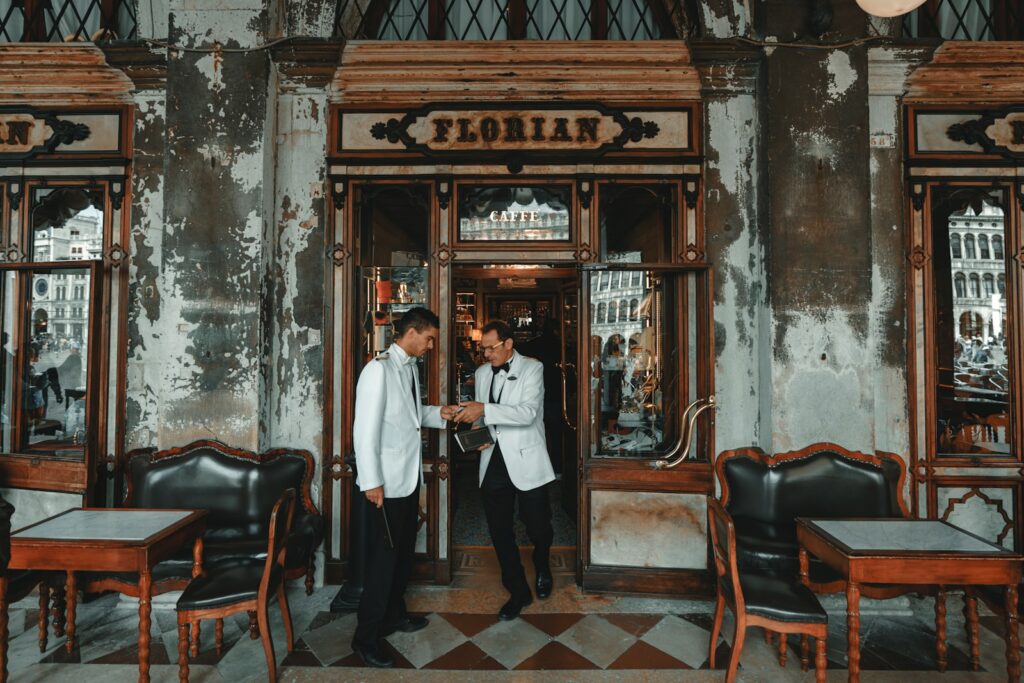
Venice takes coffee seriously. Historic cafes like Florian and Quadri offer theatrical settings, but neighborhood bars serve excellent espresso without tourist markup.
The ritual: order at the bar (al banco), drink standing, pay at exit. Sitting increases prices dramatically. Morning cappuccino acceptable; after lunch, only espresso. These aren’t rules but traditions Venetians follow instinctively.
Food reveals culture like nothing else. Our culinary experiences go beyond eating to understanding how Venice tastes, why, and what it means.
Your curated Venetian food experience includes:
Venice’s soul is written in its cuisine – read it cicchetti by cicchetti.
Book your Venetian food journey – because taste is the most honest guide to culture.
Travel Italy in Gold Black Style
28/02/2024
Immerse yourself in the art of Venetian mask-making with this workshop in a traditional atelier. Learn…

28/02/2024
Discover the magic of Venice in a unique experience: a private tour of the Grand Canal…
28/02/2024
Authentic Venice food tour through Rialto Market & traditional bacari. Taste cicchetti, local wines & discover…
28/02/2024
Private walking tour of Venice’s iconic St Mark’s Square, Rialto Bridge & Grand Canal. Explore Venetian…