
28/02/2024
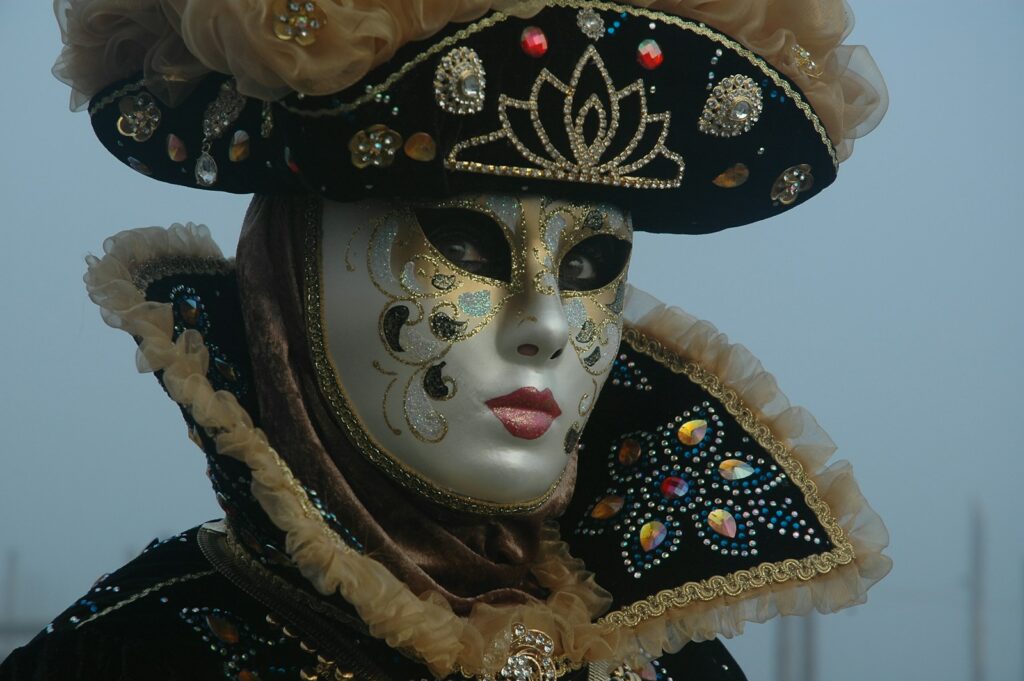
Venice: Carnival Mask Making with a Local Artisan
Immerse yourself in the art of Venetian mask-making with this workshop in a traditional atelier. Learn…
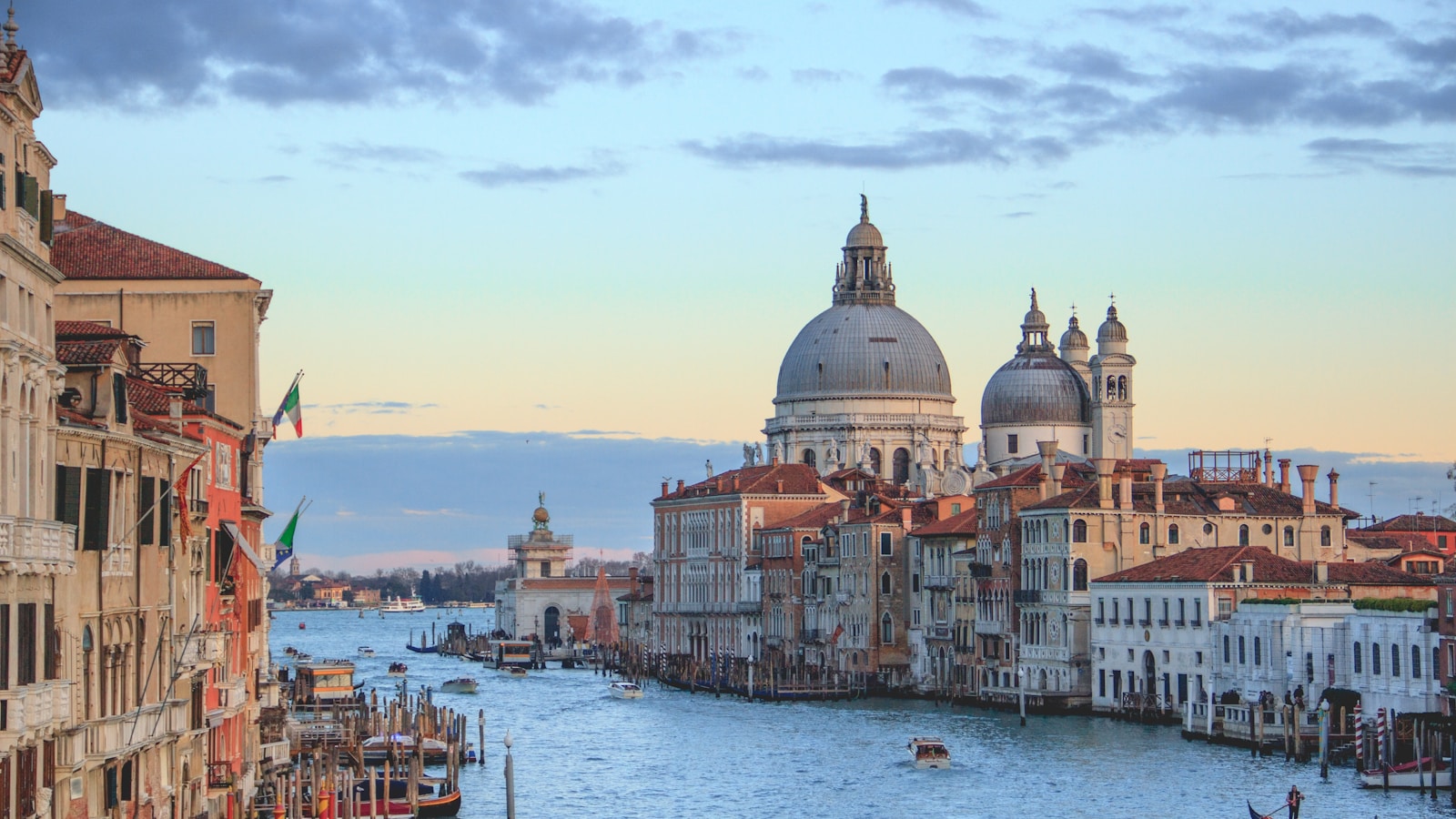
Venice Winter: When the City Becomes Yours Winter transforms Venice from crowded spectacle to intimate revelation. Fog drifts across canals, fewer gondolas crowd the waterways, and locals reclaim their city. This is Venice at its most authentic - mysterious, elegant, and profoundly beautiful. Winter reveals Venice as Venetians know it - quieter, deeper, more real.…...
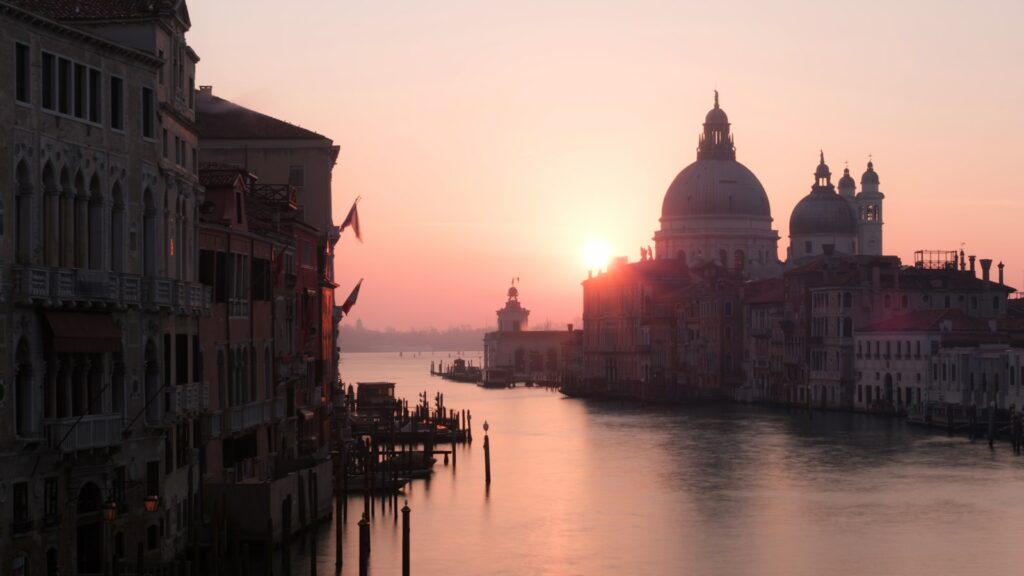
Winter transforms Venice from crowded spectacle to intimate revelation. Fog drifts across canals, fewer gondolas crowd the waterways, and locals reclaim their city. This is Venice at its most authentic – mysterious, elegant, and profoundly beautiful.
Winter reveals Venice as Venetians know it – quieter, deeper, more real.
Acqua alta – high water – occurs primarily in winter when tides flood St. Mark’s Square and surrounding areas. Rather than inconvenience, this creates surreal beauty: St. Mark’s Basilica reflecting in shallow water, raised wooden walkways crisscrossing the piazza, Venetians in rubber boots navigating their daily routines with characteristic grace.
The city has managed acqua alta for centuries. Sirens warn residents when water levels rise, allowing time to deploy barriers and don appropriate footwear. For visitors, it’s an opportunity to witness Venice’s unique relationship with water – not fighting nature but adapting with elegance and practicality.
Key tip: Bring waterproof boots or buy stylish rubber boots locally – they make excellent souvenirs and practical necessities.
Winter fog transforms Venice into something from another century. Visibility drops, sounds become muffled, architectural details emerge suddenly from gray mist. This is Venice as painters and writers have depicted it – atmospheric, mysterious, timeless.
Walking through fog-wrapped calle (narrow streets), you’ll discover Venice’s true character. Gothic palaces loom overhead, footsteps echo on stone bridges, occasional lights glow warmly from wine bars and restaurants. Navigation becomes intuitive rather than map-based – you feel your way through the city.
Venice Carnival (Carnevale) typically runs from late January through Shrove Tuesday. This centuries-old celebration fills the city with elaborate masks, period costumes, and theatrical performances. What began as pre-Lenten revelry has become Venice’s signature winter event.
The modern Carnival balances tourist spectacle with authentic tradition. In St. Mark’s Square, you’ll find Instagram-ready costumes and street performers. In neighborhood campi (squares), locals celebrate with more intimate gatherings. The best experience combines both: admire the elaborate costumes while seeking out traditional mask-makers’ workshops and neighborhood celebrations.
Venice’s extraordinary art collections become accessible in winter. The Accademia Galleries, Palazzo Ducale, and Peggy Guggenheim Collection offer space to actually contemplate masterpieces. Stand before Tintoretto’s massive canvases without jostling. Study Titian’s use of color at your own pace. Absorb Bellini’s serene Madonnas in near-solitude.
Smaller museums reveal Venice’s depth: Ca’ Rezzonico for 18th-century Venetian life, Scuola Grande di San Rocco for Tintoretto’s life work, Museo Correr for Venice’s history. Winter provides time and space these collections deserve.
Insider secret: Visit Palazzo Ducale at opening time in winter – you might have the Doge’s apartments nearly to yourself.
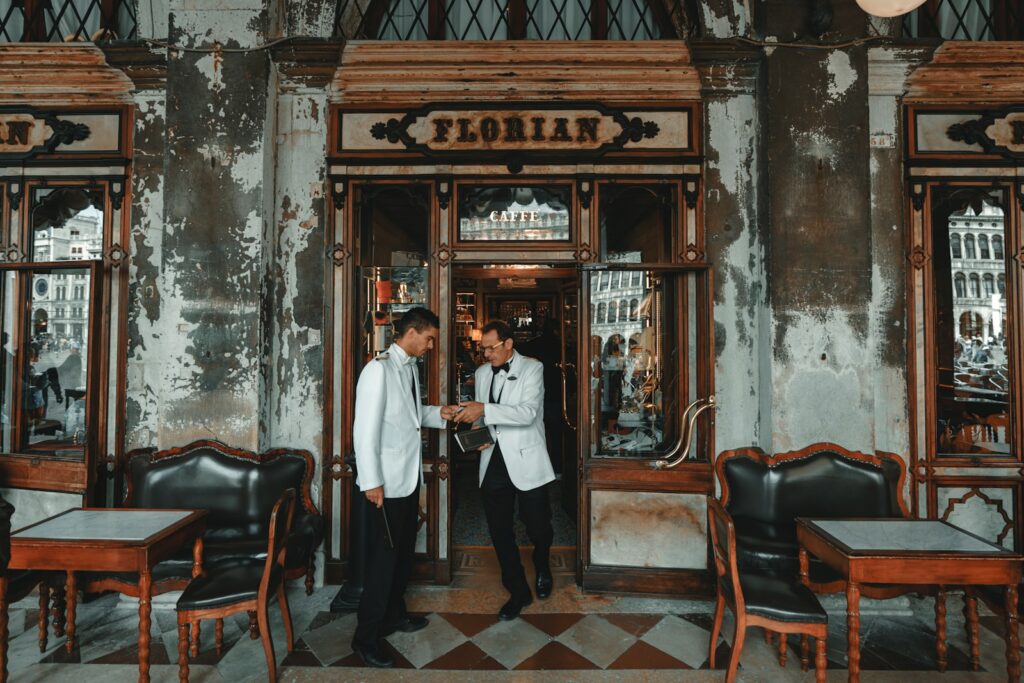
Bacari – traditional Venetian wine bars – become essential in winter. These small, convivial spaces serve cicchetti (small plates) and local wines. Duck inside from cold streets to find warmth, conversation, and authentic Venetian hospitality.
The ritual: order an ombra (small glass of wine), point to cicchetti that appeal (baccala mantecato, sarde in saor, polpette), eat standing at the bar, converse with locals and other travelers. Then move to the next bacaro. This giro de ombra (wine circuit) is quintessentially Venetian.
Murano, Burano, and Torcello become meditative winter destinations. Fewer vaporetti run, but this scarcity creates opportunity – you’ll have these islands largely to yourself.
Murano’s glass workshops welcome serious visitors more readily in winter. Watch masters work without tour group pressure. Burano’s candy-colored houses photograph beautifully in soft winter light. Torcello, Venice’s birthplace, becomes almost private – walk to the ancient cathedral across empty fields, climb the campanile to see the lagoon stretching to the horizon.
Venetian cuisine emphasizes what works in winter: rich seafood pastas, risottos, polenta dishes, and sweets to warm the soul. This is when traditional restaurants shine, cooking for locals rather than tourists.
As specialists in Italian winter travel, we create Venice experiences that embrace the season’s unique character. We don’t fight winter or pretend it’s summer – we reveal why winter might be Venice’s finest season.
Your curated Venice winter experience includes:
Practical Winter Venice Tips:
Discover Venice when fog and high water reveal its soul.
Book your winter Venice experience – because the real city emerges when the crowds depart.
Travel Italy in Gold Black Style
28/02/2024
Immerse yourself in the art of Venetian mask-making with this workshop in a traditional atelier. Learn…
28/02/2024
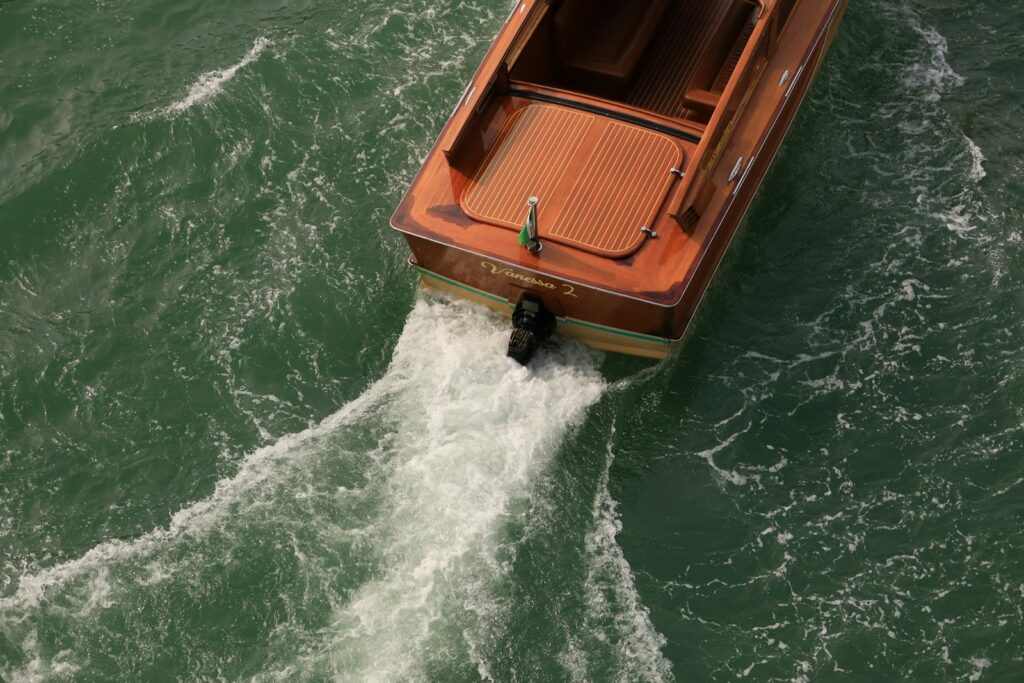
Discover the magic of Venice in a unique experience: a private tour of the Grand Canal…
28/02/2024
Authentic Venice food tour through Rialto Market & traditional bacari. Taste cicchetti, local wines & discover…
28/02/2024
Private walking tour of Venice’s iconic St Mark’s Square, Rialto Bridge & Grand Canal. Explore Venetian…